
Do you know why some shipments arrive perfectly boxed while other shipments appear destroyed, torn or crushed? While we all tend to blame the shipping company for these problems, this is not always true. More times than not, the problem begins prior to the shipment leaving your facility. Selecting the right packaging supplies will greatly influence how safe the item will be throughout its journey.
A commonly asked question by many individuals is, “what packaging supplies do i truly require?” the response to this question is based on the items being shipped. For example, an extremely heavy item requires far greater packaging strength than does a lighter item. As previously stated, glass items require significantly more protection than books. By taking just a little time to consider the item you are preparing to pack prior to actually boxing it, you can possibly avoid damage to the item.
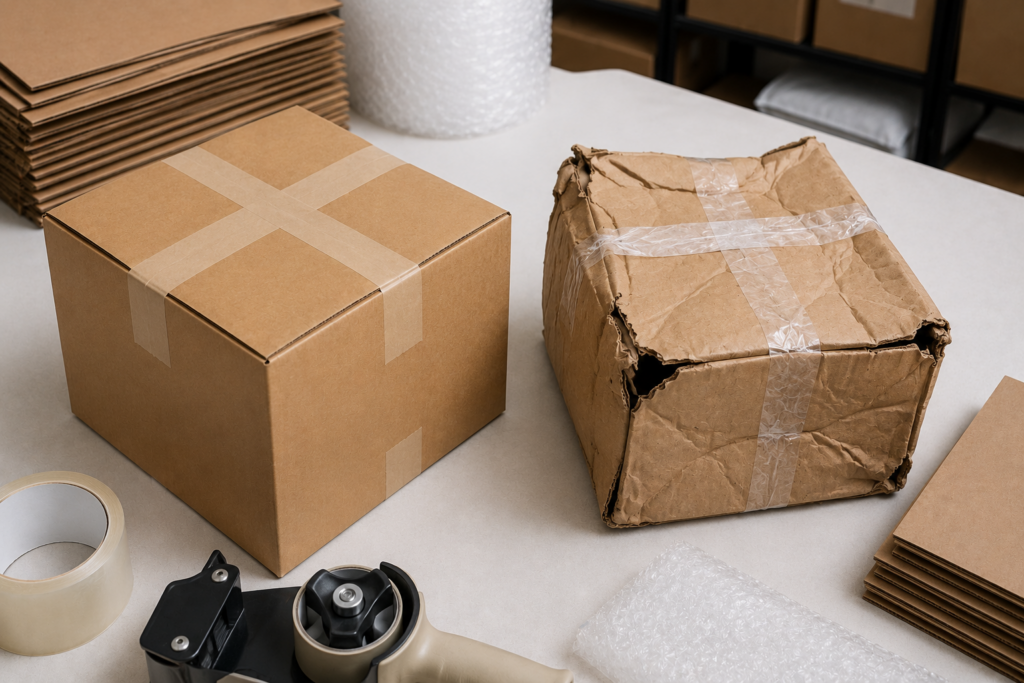
Some other frequently asked questions include; is purchasing higher quality packaging supplies cost-effective? Although it may seem like spending money on low-cost tape, boxes and/or packing paper is cost-effective, it is likely to produce a number of additional costs. Replacing a damaged item when a box fails to close properly (or worse yet, when a shipment arrives broken) typically costs considerably more than utilizing high-quality packaging materials in the initial stages.
Box size matters
While there are those who assume that the larger box provides better protection than a smaller one, this is simply not true. Too large of a box allows room for the contents to shift back-and-forth during transit. Whether or not you add air pillows/packing paper, excessive shifting increases the likelihood of damage to the contents. Therefore, selecting a box that fits closely together prevents unnecessary shifting.
Business owners often ask how frequently they should check their inventory and order supplies. Waiting until tape runs out or all boxes are used can disrupt your entire day. Planning ahead by checking your inventory weekly and ordering supplies before they become an issue can alleviate last-minute rush orders and costly next-day shipping.
Organizing your packaging supplies also saves time
As mentioned earlier, having separate storage locations for each type of material such as boxes, tape, labels and packing materials minimizes wasted employee time spent searching for required supplies. This process enables quicker processing of orders, fewer errors and customers receiving their packages in a timelier manner.
Using good quality packaging materials helps reduce waste.
Selecting the appropriate box size reduces excess packing materials and thus produces less waste. In addition to proper box selection, using enough tape rather than applying multiple layers of tape reduces excess materials used. Small changes produce substantial savings and reduced trash production.
Finally, good packaging supplies provide a positive impression upon opening a clean, secure package. Customers feel confident that care was exercised during preparation prior to shipment. Positive experiences foster trust with customers and encourage repeat business.
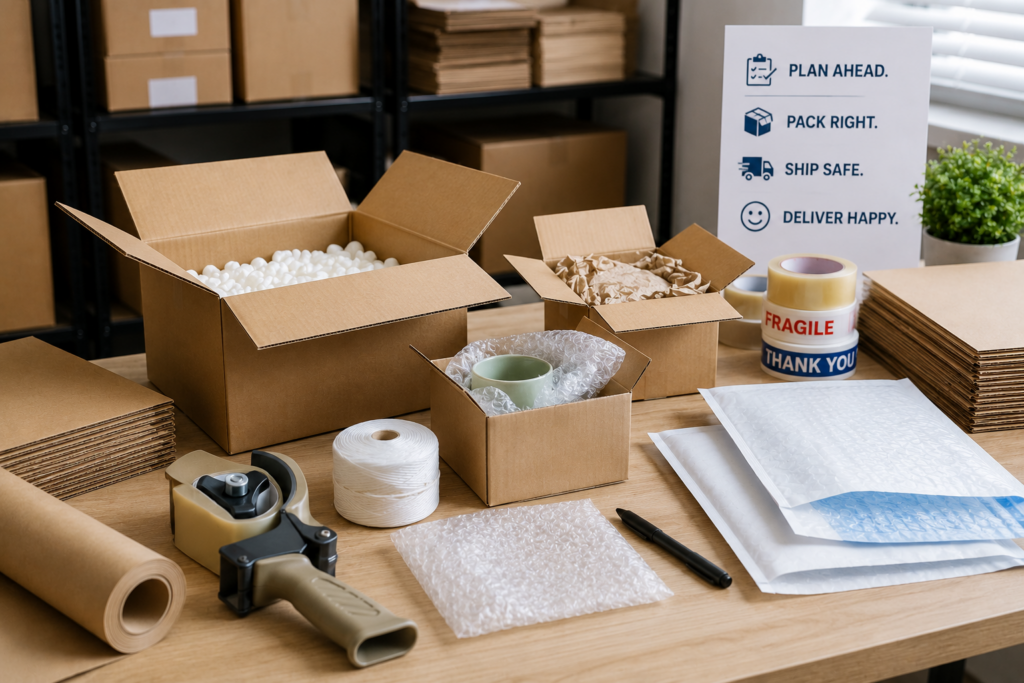
There is no one-size-fits-all solution for packaging supplies. Each shipment has its own specific requirements and needs. The goal of purchasing packaging supplies is not to purchase the most expensive material available nor fill a warehouse full of supplies. The goal is to acquire proper tools for each task.
Once businesses develop questions about which packaging supplies best fit each product/service being shipped, plan ahead and utilize packaging supplies tailored to match products/services being shipped, they typically spend less time fixing issues and more time serving their customers. These simple choices may result in safer deliveries, happier customers and smoother days from first package delivery through last.
