Tired of boxes giving up?

It starts the same way every time: you grab a “budget” box, pack it up, tape it shut, and send it on its way. Everything seems fine… until it’s not. Halfway through transit, the corners crush like overcooked noodles, seams split open, and suddenly your once-neat shipment looks like it’s been through a mud-wrestling match. The customer doesn’t care how it happened—they just see a broken promise.

That’s the danger of treating cardboard boxes like a place to cut corners. They’re not a side character. They’re the main bodyguard for your product, the thing standing between a customer’s excitement and a customer complaint.

Good cardboard boxes don’t just hold things—they hold trust. Imagine pulling a crisp, sturdy box off the shelf. The walls feel solid, the edges are square, and the surface doesn’t sag under pressure. You can hear the clean rip of the tape sealing it shut, like snapping a seatbelt into place. That box isn’t just packaging—it’s insurance.

Weak boxes cost more than they save. Every time one fails, you’re not just out the cost of the box. You’re paying for replacement products, shipping again, and maybe losing a customer altogether. Cheap boxes feel like savings on day one… until you realize you’re buying a headache in disguise.

Strong boxes flip the story. Corrugated walls stand up to stacking and bouncing around in trucks. Reinforced seams don’t pop at the worst moment. And when the customer opens their package, everything inside looks exactly like it did when you packed it. That’s the kind of invisible win that builds loyalty.

It’s not just about durability—it’s about efficiency, too. Sturdy, well-sized boxes don’t cave while you’re packing them, so your team moves faster. They don’t need double tape or awkward patches. They fold clean, seal tight, and get out the door without a struggle. Over time, that speed adds up to hours saved and smoother workflows.

And presentation? That matters more than most people admit. When a customer sees a clean, solid box arrive on their doorstep, it sets the tone before they even touch the product inside. A good box says, “We care about this.” A crushed one says, “We didn’t bother.” It’s that simple.

Sustainability plays a role too. More businesses are switching to recyclable and responsibly sourced cardboard boxes. Customers notice. They see a company making smart choices and feel good supporting it. That emotional connection turns into repeat orders.

At the end of the day, cardboard boxes are not just containers—they’re quiet salespeople. They either tell a story of reliability or one of corner-cutting. And the story your packaging tells can be the difference between a one-time buyer and a loyal customer.

So stop trusting boxes that give up when things get tough. Choose the ones that hold strong—because when your packaging is dependable, everything else falls into place.


Posted in Cardboard Boxes, Packaging and Shipping Supplies, Packaging Tape, Packaging Tricks, Shipping Bags | Tagged , , , , | Comments Off on Tired of boxes giving up?

Ever run out mid-pack?

You’re halfway through boxing up an order, tape in one hand, bubble wrap on standby. Then it hits you—no more supplies. The customer deadline doesn’t care that you’re out of boxes or that the tape roll’s down to the cardboard core. That sinking feeling? Every shipper knows it.

That’s the old way—scrambling with mismatched supplies, overpaying for rush orders, and cutting corners that end in damaged deliveries. Packaging shouldn’t feel like a guessing game. It should feel like control.

With the right packaging supplies stocked and ready, the scene looks different. Boxes are stacked like soldiers, tape glides across seams without a snag, and bubble wrap cushions every fragile edge. Instead of sweating deadlines, you’re sealing boxes with confidence, knowing each one is ready to handle the bumps and bruises of shipping.

Packaging supplies aren’t just products—they’re problem solvers. Strong boxes keep items from crushing. Stretch wrap keeps pallets steady. Mailing tubes protect posters from creases. Bubble mailers guard smaller items like jewelry or cosmetics. Each tool has a role, and when they’re all on hand, your shipping line runs like clockwork.

The truth is, poor supplies cost more than people realize. Flimsy boxes split open, cheap tape peels off, thin bubble wrap pops under pressure. That all leads to broken items, frustrated customers, and refunds that cut into profit. Every failed shipment is like throwing money straight into the trash can. High-quality supplies may not look glamorous, but they quietly protect revenue and reputation at the same time.

There’s also the hidden benefit: less waste. Right-sized boxes mean less filler. Strong tape means fewer strips wasted in frustration. Durable materials mean fewer returns from damaged items. That’s not just saving products—it’s saving money and time. Customers notice when their packages arrive clean, safe, and on time. And they remember when they don’t. A single crushed box can undo months of hard work building trust.

Think about the customer experience. A customer opens their order, and inside, everything is neat, intact, and secure. The tape is tight, the box hasn’t collapsed, and the fragile item they were nervous about is wrapped like it was meant to survive a cross-country marathon. That’s the kind of delivery that makes people feel like they chose the right company.

The right packaging supplies don’t just move products from Point A to Point B—they move trust, speed, and peace of mind. Each box shipped safely is one less headache, one more happy customer, and one more reason they come back.

So don’t wait until the shelf is empty and the deadline’s closing in. Stock smart. Package smarter. Let packaging supplies be the backbone of your business instead of the weak link. Because the right supplies don’t just protect your products—they protect your brand, your bottom line, and your sanity when the clock is ticking.

Posted in Bags, Cardboard Boxes, Packaging and Shipping Supplies, Packaging Tape, Packaging Tricks, Shipping Bags, Stretch Film Wrap | Tagged , , , | Comments Off on Ever run out mid-pack?

The bag that does it all

Walk into any store, warehouse, or even a home pantry and you’ll probably find poly bags. At first, they look like plain plastic pouches, but the truth is they’re one of the most versatile tools out there. From storing food to shipping products, poly bags solve problems in ways that make life easier, safer, and more organized.

Think about groceries. Fresh produce, snacks, or leftovers can all be sealed in a poly bag to keep them from spoiling. Instead of tossing half a loaf of bread because it went stale, you zip it inside a bag and enjoy it days later. That small change saves money and cuts down on waste. Families see it as protection, but really, it’s peace of mind—you know food will last longer and stay fresher.

Poly bags are just as useful outside the kitchen. In retail stores, they protect clothing from dust, keep small accessories grouped together, and make packaging simple. When customers receive an item in a clean, clear poly bag, it feels professional and cared for. For online sellers, that detail builds trust. The bag isn’t just holding the product—it’s protecting a reputation.

They also shine in shipping. A poly bag is lightweight, which lowers mailing costs, yet strong enough to handle bumps along the way. It flexes instead of tearing easily, keeping items secure until they arrive. Many even come with adhesive strips that seal tight, so there’s no need for extra tape. For small businesses especially, that convenience saves both time and money.

Beyond storage and shipping, poly bags often take on creative roles. Gardeners use them to organize seeds. Parents pack snacks for trips. Travelers tuck toiletries inside to prevent spills in a suitcase. They’re not fancy, but they quietly prevent dozens of little disasters that would otherwise ruin a day.

Eco-friendly options have also grown popular. Many poly bags are now recyclable or made from recycled materials, which means people don’t have to choose between convenience and responsibility. It’s a small adjustment that supports bigger goals, making daily life smoother while keeping an eye on the planet.

Affordability seals the deal. A bundle of poly bags costs very little compared to the problems they solve. They extend food life, protect valuables, cut shipping costs, and reduce messes—all for pennies apiece. Few tools in daily life offer that much value in such a simple form.

Poly bags don’t shout for attention. They don’t need to. Their strength is in how quietly they work behind the scenes, solving problems most people don’t even realize until something goes wrong. Whether it’s a sandwich staying fresh, a shipment arriving safe, or a closet staying organized, the humble poly bag is there to make it happen.

So next time you seal one shut, remember: it’s not just a plastic pouch. It’s a protector, a money-saver, and a problem-solver that proves some of the simplest tools deliver the biggest impact.

Posted in Bags, Cardboard Boxes, Packaging and Shipping Supplies, Packaging Tape, Packaging Tricks, Shipping Bags, Stretch Film Wrap | Tagged , , , | Comments Off on The bag that does it all

Wrong Bag Ruining Your Shipment?

Ever sealed up a package in a poly bag, only to find it split open during shipping? It’s a gut punch—your carefully packed items spill out, get lost, or arrive damaged, and you’re left with frustrated customers or wasted effort. We’ve all felt that dread of picking the wrong bag and paying for it later. Let’s make it simple. Here’s how to choose the right poly bag thickness and size, so your packages stay secure, your deliveries impress, and you feel like a shipping pro.

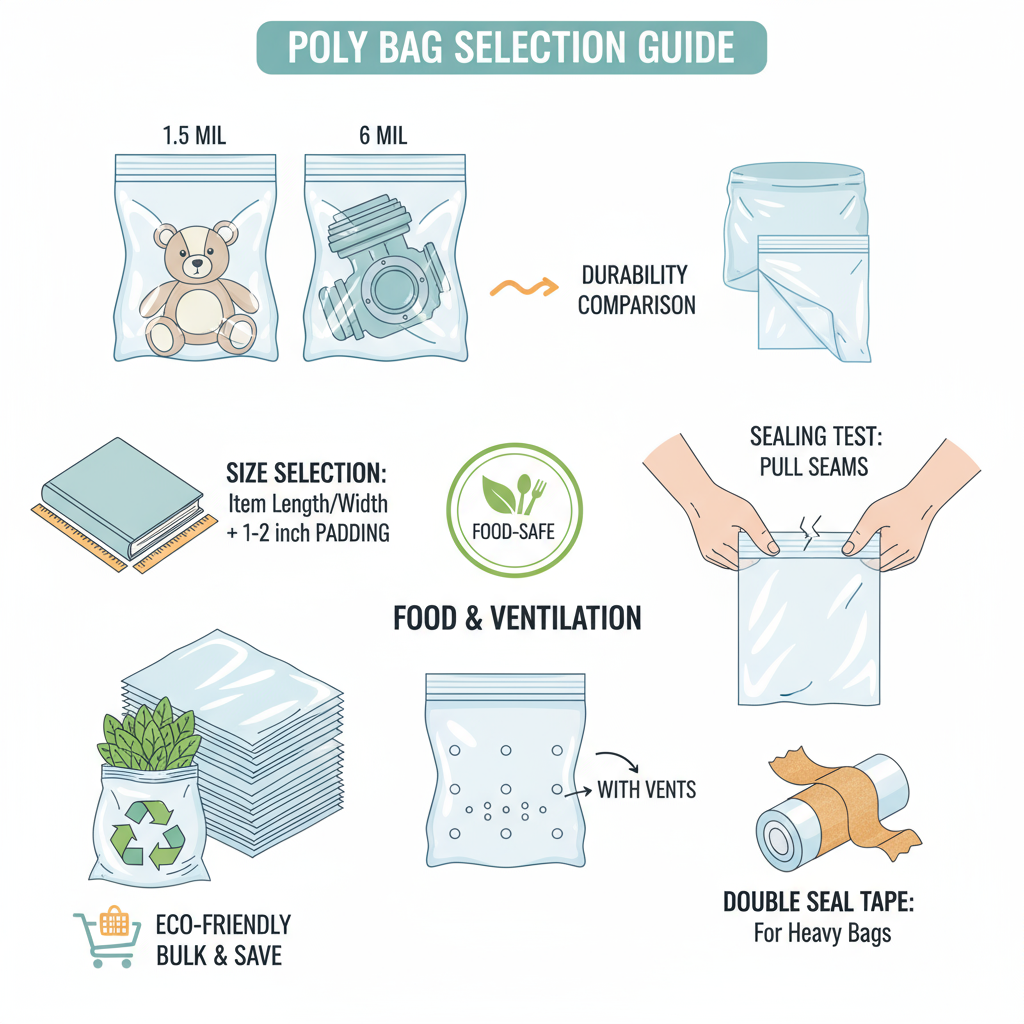
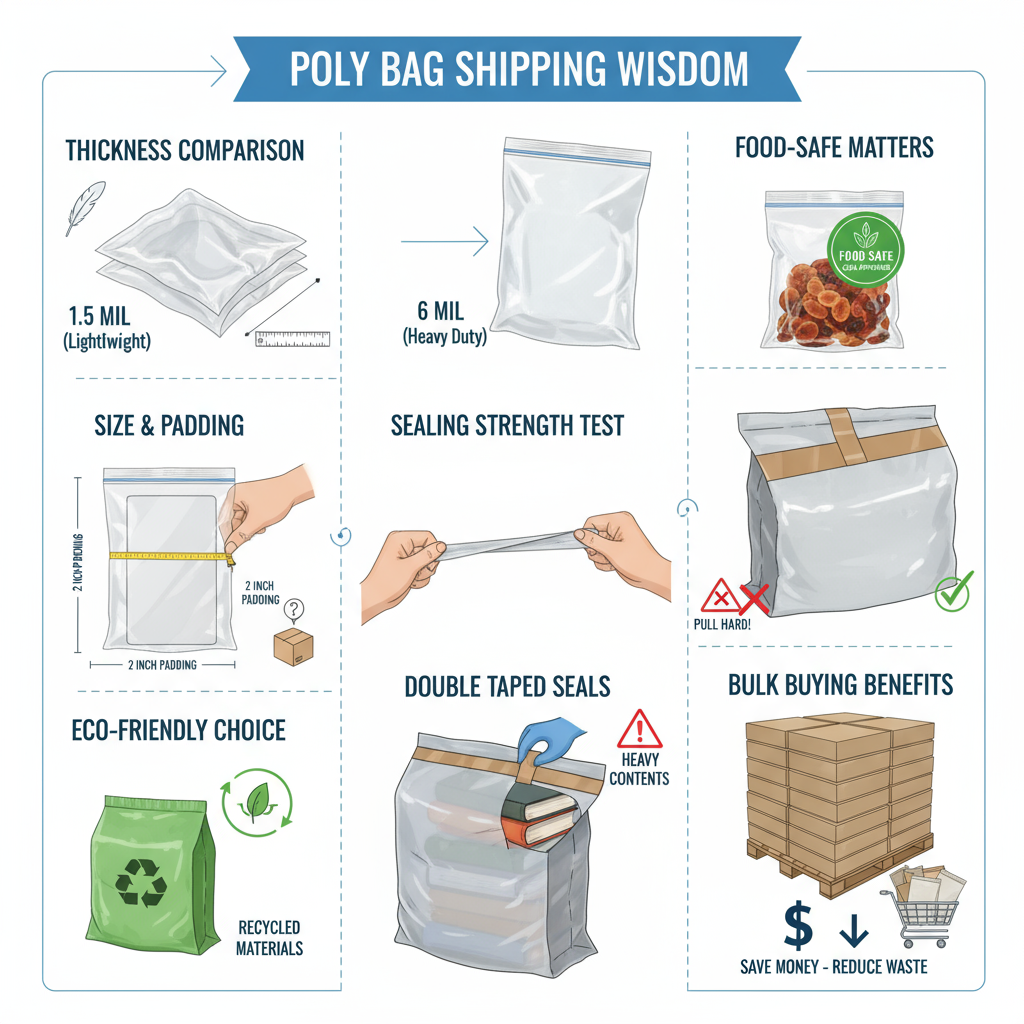
First, let’s talk thickness. Poly bags are measured in mils—a fancy word for how thick the plastic is. For light stuff like letters or t-shirts, a 1.5-mil bag is plenty. Feel it: thin but flexible, like a sturdy grocery bag. Picture slipping a scarf inside; it slides in smooth and stays safe without bulk. This choice saves you money on postage, easing that worry of overspending on lightweight sends.

For heavier items, like books or small tools, step up to 4 or 6 mils. These feel tougher, almost like a thick tarp. Imagine packing a set of wrenches; the bag holds firm, no tears, even if it’s tossed around in transit. That strength takes away the fear of splits, keeping your goods intact and your mind at ease.

Size is just as important. Measure your item’s length, width, and height, then add an inch or two for wiggle room. Too tight, and the bag strains; too loose, and things slide around. Picture a pair of shoes in a bag that’s just right—snug, with space for a bit of padding like tissue. This fit stops the hassle of items poking through or getting squished, making your packages look professional.

If you’re shipping food, like dried herbs, go for food-safe poly bags with clear labels. Imagine a customer seeing “Gluten-Free” printed boldly; they trust your care and dig in happily. This detail solves the worry of health concerns, showing you’ve got their back. Plus, some bags have vents to keep things fresh—picture herbs arriving crisp, not soggy.

Test your choice before sending. Fill a bag, seal it, and give it a gentle tug at the seams. If it holds, you’re good. This quick check paints a picture of your package arriving safely, whether it’s across town or across the country. For extra security, use a double seal with tape on heavier bags. Imagine a box of gadgets reaching its destination without a scratch—that reliability builds trust.

Eco-friendly options are a smart pick too. Look for recycled poly bags—they’re just as strong but made from reused plastic. Picture sending a gift in one; you’re cutting down on waste while keeping things safe. That green choice feels great, like you’re helping the planet without extra work. Many suppliers offer these at the same price, so you save the earth and your budget.

Where to shop? Check local packaging stores or online for deals on bulk packs. Imagine stocking up on a few sizes—small for jewelry, medium for clothes. Having them ready saves you from last-minute runs, making you feel prepared and in control.

Picking the right poly bag turns shipping from a gamble to a win. You’ll send packages with confidence, knowing they’ll arrive as perfect as when they left. No more stress over tears or losses—just the pride of getting it right. Try these tips, and you’ll feel like the savvy shipper you want to be.

Posted in Bags, Cardboard Boxes, Packaging and Shipping Supplies, Packaging Tape, Packaging Tricks, Shipping Bags, Stretch Film Wrap | Tagged , , , , | Comments Off on Wrong Bag Ruining Your Shipment?

End Label Peels Forever

Ever sent a package only to hear it got lost because the label fell off? It’s a maddening problem for anyone who ships, from artists mailing artwork to shop owners sending orders. A peeling label can mean delays, lost packages, or even items landing at the wrong address. Imagine the stress of tracking a parcel that’s gone missing, or the embarrassment of a customer calling about a mix-up. It’s a hassle many face, feeling helpless when their careful work goes astray. But you can make labels stick like glue with straightforward tricks that ensure every package reaches its destination.

Let’s dive in with a clear plan. Labels peel for a few reasons: cheap adhesive fails in rain, heat warps the paper, or rough handling tears them loose. To fix this, pick weatherproof labels made for tough conditions—they cling tight through storms or sweaty warehouses. Look for vinyl or polyester ones with strong glue that grips cardboard, plastic, or even metal. These stand up to water, sun, and bumps, keeping addresses readable. Picture your label staying crisp and clear, guiding your package like a trusty road sign all the way to the doorstep.

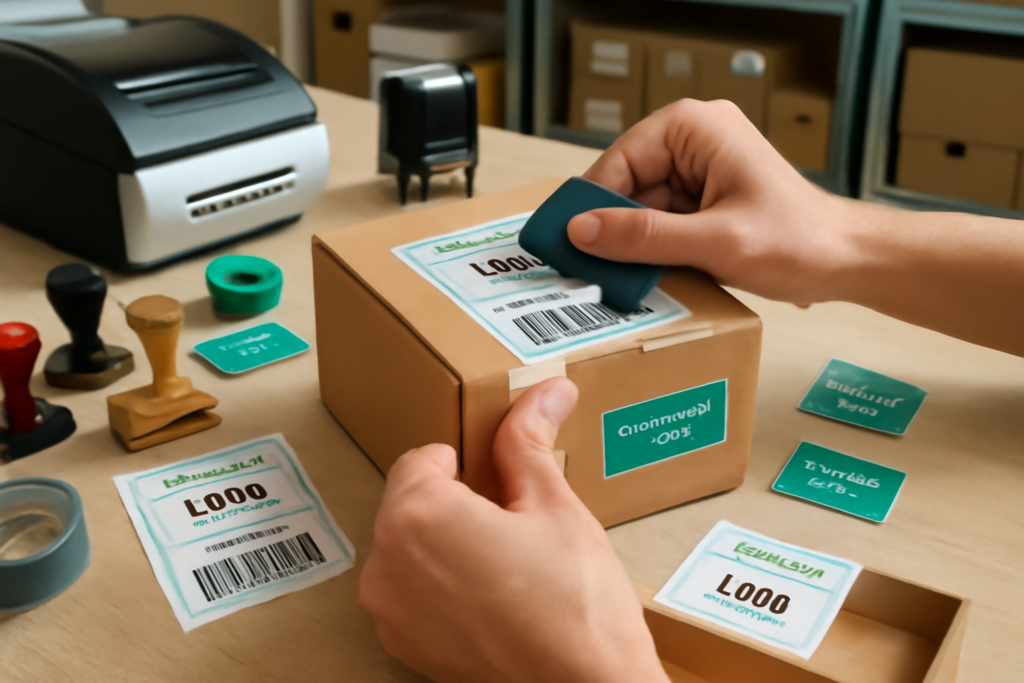
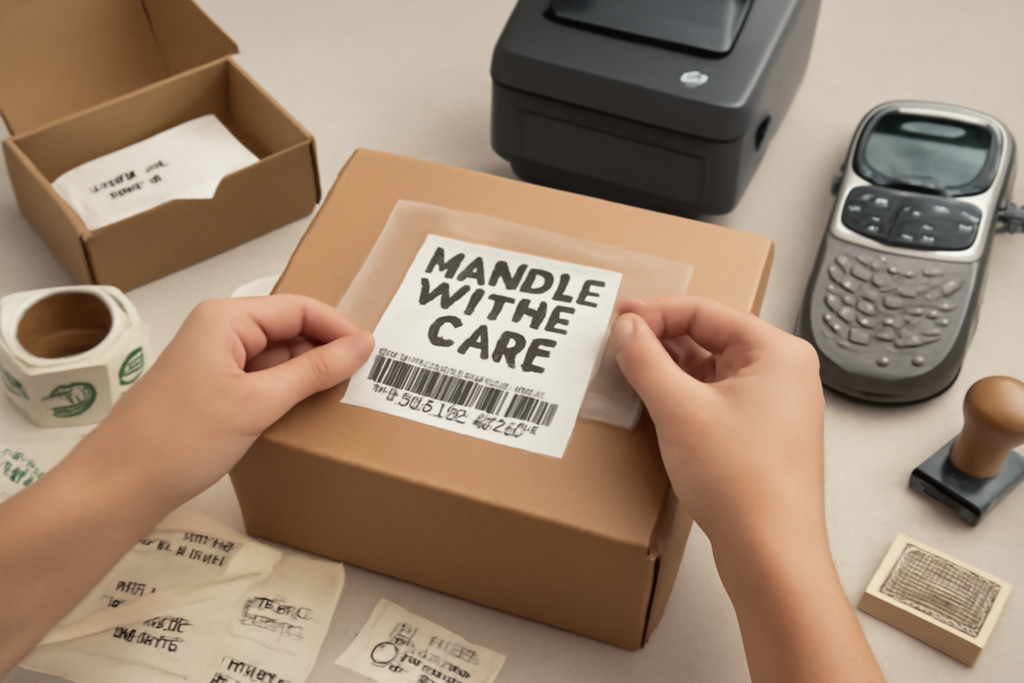
Here’s how to apply them right: Start with a clean, dry surface—wipe away dust or oil with a cloth to help the label bond. Print your text in bold, easy-to-read fonts, like Arial, so carriers can scan or read without squinting. Peel the label slowly and press it down flat, smoothing out bubbles with your fingers or a small card, like a credit card edge. For curved surfaces, like bottles or tubes, cut slits in the label’s edges to help it wrap snug without lifting. Test by running your nail along the edge—if it stays put, you’re golden. A crafter might use this trick to label a round candle jar, ensuring it arrives without a hitch.

Boost protection with extra layers. Clear overlay tape over the label shields it from smudges, scratches, or raindrops. For high-value items, try tamper-evident labels that show if someone’s tried to mess with them. Add a barcode for quick scans at sorting hubs—it’s like giving your package a fast-pass through the system. Visualize your label as a superhero cape, guarding the address through every twist and turn of the delivery route. You can even double up by slipping an extra label inside the box, just in case the outer one gets damaged.

Choose eco-conscious labels to help the planet. Soy-based ink labels break down safely without leaving toxic residue, keeping rivers clean for fish and swimmers. Recycled paper labels cut down on waste, saving trees and making forests healthier for animals like owls. Customers love knowing their purchase supports greener choices—it’s like giving them a high-five for helping the earth. Imagine your packages contributing to cleaner beaches where kids build sandcastles. These options are budget-friendly and add a warm glow to your brand.

Test it out to build skills: Stick a label on a jar or box, then splash it with water or rub it gently. Does it hold firm? Great—you’ve got a keeper. Try it on a real package next, like mailing a book to a friend. Practice a few times, and it’ll feel as easy as sticking a Post-it note. Share the idea with others—maybe a coworker suggests using a label maker for sharper prints. Keep a notebook of which labels work best for different surfaces.

Save money with clever buys. Bulk rolls of labels cost less per sheet—check online marketplaces or local office stores for deals. Printing your own lets you add logos or fun designs, making packages pop without extra cost. Durable labels last longer in storage, so stock up during sales. Store them flat in a cool, dry place to prevent curling or glue weakening. Joining a small business co-op can help you split bulk orders for even more savings.

Take it further with tools like thermal printers—they skip ink costs and churn out labels fast, perfect for busy days. For frequent shippers, a labeling software can format addresses perfectly every time. If you send packages overseas, check customs rules to ensure your labels meet international standards. Weigh packages after labeling to avoid surprise fees at the post office.

With these tips, your labels will stick through any journey, cutting down on lost packages and frustrated calls. You’ll become a shipping pro, confident every delivery will land right. Start today by testing a new label type, and maybe add a smiley sticker for a personal touch. Keep refining your method, and soon you’ll have a system that’s quick, reliable, and stress-free.

Posted in Cardboard Boxes, Packaging and Shipping Supplies, Packaging Tape, Packaging Tricks, Shipping Bags, Stretch Film Wrap | Tagged , , , , | Comments Off on End Label Peels Forever

Fix Wobbly Stacks Today

Ever had a stack of boxes topple over in your garage or storage room? It’s a frustrating mess for anyone, from homeowners storing holiday decorations to small business owners juggling inventory. One wrong move, and boxes crash, spilling contents or breaking fragile items. Picture the chaos of cleaning up scattered ornaments or damaged products—it’s a time-suck and a mood-killer. Many folks deal with this, feeling like their storage space is a shaky tower ready to fall. But you can build steady stacks that stand strong with a few simple tricks, turning your space into a tidy, safe zone.

Let’s tackle it step by step. Wobbly stacks happen when boxes are uneven, mismatched, or overloaded. Different sizes don’t align, and heavy items crush weaker ones below. To fix this, choose uniform boxes with sturdy corrugated walls—they lock together like puzzle pieces, creating a solid base. Square or rectangular shapes stack better than odd ones, so aim for standard sizes. Imagine your boxes fitting snugly, like bricks in a wall, staying put even if a kid bumps them.

Here’s how to stack smart: Start with the largest, heaviest boxes at the bottom to anchor the pile—think books or tools. Place lighter boxes, like those with clothes or pillows, on top to avoid squashing. Align edges carefully, keeping corners flush with no overhangs that tip easily. Use a level tool if you want to be extra precise. For tall stacks, tie groups together with bungee cords or packing straps—they act like seatbelts, holding everything tight. A small shop might stack product boxes this way, ensuring they’re ready for quick grabs without a collapse. This method keeps your stacks steady, like a bookshelf that never wobbles.

Reinforce weak spots for extra strength. Add corner guards—plastic or cardboard pieces that slip over box edges—to protect against bumps or forklift dings. For outdoor storage, drape waterproof tarps over stacks to shield from rain or sun, which can weaken cardboard over time. Picture your boxes standing tall through a windy day, contents safe and dry inside. If you’re storing long-term, label each box clearly with contents and dates to avoid digging later.

Choose eco-friendly boxes to help the environment. Cardboard from sustainable forests regrows quickly, supporting habitats for animals like birds and deer. Recycled boxes cut down on waste, keeping landfills smaller and cleaner for community parks. Customers love knowing their orders come in green packaging—it’s like a nod to a healthier planet, making them feel good about buying from you. Imagine your boxes helping forests thrive, giving wildlife more space to roam. These options are affordable and add a positive vibe to your brand.

Test it out to get confident: Grab a few empty boxes and stack them in a corner, securing with a strap. Push gently—does it hold? If so, you’re on the right track. Try it with real items next, like stacking holiday decor. Practice makes it quick, like building a Lego tower without instructions. Share the tip with family or coworkers—they might suggest using pallets under stacks for extra stability. Keep a notebook of your best box sizes for future use.

Save money with clever buys. Flat-pack boxes store compactly and are cheaper in bulk—check online or at warehouse stores for deals. Reuse boxes from deliveries you get, as long as they’re sturdy. Mix strengths: thick walls for heavy items, lighter ones for soft goods. Look for sales around holidays or join a local business group to split bulk orders. Store boxes flat in a dry spot to prevent warping.

Level up with tools like a tape measure to ensure boxes match your space. For big setups, a shelving unit can support stacks, saving floor room. If you ship or store often, a barcode system can track box contents fast. Check weight limits for each box to avoid crushing—most say so on the bottom.

With these steps, your stacks will stay rock-solid, freeing up space and cutting stress. You’ll become a storage pro, keeping everything neat and safe. Start today by sorting a few boxes, and maybe add a label with your initials for a personal touch. Keep tweaking your setup, and soon you’ll have a system that’s as steady as a fortress.


Posted in Cardboard Boxes, Packaging Tape, Shipping Bags, Stretch Film Wrap | Tagged , , , | Comments Off on Fix Wobbly Stacks Today

Sweeten Gifts Without The Mess

Ever picked up a candy box and felt unsure if it was the right one? You’re not alone. Choosing candy boxes can feel tricky, but the right box changes everything. Imagine giving someone chocolates that look plain in a flimsy wrapper versus a neat, colorful box that makes their eyes light up. That’s the difference the right candy box makes.

Candy comes in all sizes, from tiny truffles to giant chocolate bars. Start by picturing the candy inside. A box that’s too big lets chocolates slide around, getting smashed. 

Too small? You’ll have to squeeze them in, and no one likes squished treats. Look for boxes that hold the candy snugly, like a cozy little bed for each piece.

Cardboard, tin, or clear plastic—each material tells a story. Cardboard is light and easy to decorate, tin feels premium, and plastic shows off the candy inside. Imagine the box in your hands: does it feel sturdy, like it can survive a bump in the bag, or flimsy, ready to tear at the slightest touch? 

Pick something that protects the candy and makes the gift feel special.

Colors and designs aren’t just for show—they create an experience. A shiny red box can make someone feel excitement before even opening it. Patterns like stripes, polka dots, or custom artwork can make the candy feel like a tiny celebration in your hands. Think about the moment the person opens it. Will their eyes widen? That’s the magic you want to create.

Candy boxes aren’t just for gifts—they’re for storage too. If someone wants to enjoy chocolates over a week, a box that closes securely keeps them fresh. Boxes with inserts separate each piece, preventing breakage. Some even double as mini organizers for your desk or pantry. Picking a box with future use in mind makes your choice even smarter.

These days, a box isn’t just about looks. Recyclable or reusable candy boxes reduce waste and show thoughtfulness. Imagine your recipient enjoying the chocolates and then using the box for keepsakes, jewelry, or snacks. It’s a gift that keeps giving.

Finally, personalize it. A handwritten note tucked inside, a ribbon around the box, or even a small sticker can make the candy feel tailored just for them. The right candy box transforms a simple treat into an experience that’s remembered long after the chocolate is gone.

Choosing candy boxes isn’t complicated when you think about size, protection, design, practicality, and eco-friendliness. Picture it in your mind: a box that’s beautiful, sturdy, and thoughtful. 

The chocolates inside? Just the sweet bonus. By picking the right box, you’re giving more than candy—you’re giving a small moment of joy someone will treasure.

Posted in Cardboard Boxes, Packaging and Shipping Supplies, Packaging Tape, Packaging Tricks, Shipping Bags | Tagged , , , | Comments Off on Sweeten Gifts Without The Mess

When your package tells a story

Shipping isn’t just a process; it’s the first impression your customer experiences in the physical world. Every box, every piece of tape, every layer of bubble wrap communicates something. It either says, “We care about your order,” or it says, “This is just another transaction.” Most people don’t notice packaging—until it fails. A crushed box, a cracked mug, or a torn envelope immediately becomes a story they tell, and usually, it’s a story that reflects poorly on the sender.


The role of shipping supplies is often underestimated. People see them as the dull, background elements of e-commerce. Boxes are boxes. Tape is tape. Bubble wrap is filler. But in reality, these supplies are the guardians of customer trust. They protect the product, yes, but they also protect the reputation of the business that sent it. When a package arrives intact, neatly sealed, and intact, it creates a sense of reliability. It’s quiet, invisible work—but it leaves a lasting impression.


Consider what happens when supplies are overlooked. Imagine a delicate ceramic bowl sent in a thin box, wrapped only with a few sheets of tissue. The box dents during transport. The bowl shifts and chips. A customer opens the package and immediately feels disappointment. That moment overshadows all other aspects of the transaction: the speed of delivery, the price, even the quality of the product itself. The narrative becomes, “This company doesn’t care,” regardless of the reality.


On the other hand, proper shipping supplies can turn delivery into a positive experience. A well-constructed box, strong tape, and thoughtful cushioning communicate more than protection—they communicate care. The customer sees that attention was paid, that the sender anticipated challenges, and that the item was valued enough to ship securely. That’s the difference between a one-time buyer and a loyal customer.


Shipping supplies also affect efficiency behind the scenes. Choosing the right materials reduces wasted space, lowers shipping costs, and minimizes returns. Oversized boxes with excessive filler increase costs and frustration. Undersized boxes risk damage. Selecting sizes and materials appropriate for each product not only protects the item but also streamlines operations, saving time and money.

Even subtle touches matter. Clear packaging tape applied neatly, cushioned inserts positioned precisely, and boxes that don’t rattle create an unspoken sense of professionalism. Customers may not articulate why they feel reassured, but the impression shapes future decisions. When they order again, they do so with confidence. When they recommend the brand to a friend, they do so with trust.

Shipping supplies are the invisible bridge between your business and the customer’s experience. They guard products, support operational efficiency, and quietly build a narrative of reliability and care. Every shipment carries more than a product—it carries your reputation. Businesses that recognize this invest not only in the physical materials needed for shipping but also in the perception those materials create. When used thoughtfully, shipping supplies aren’t just functional; they’re a strategic part of customer experience and brand trust.


Ignoring them may save money in the short term, but the long-term cost—returns, complaints, and damaged reputation—far outweighs any savings. By choosing reliable, properly sized boxes, strong tape, and adequate cushioning, companies ensure that every delivery tells the right story: one of care, reliability, and professionalism. And in a world where online shopping is a constant, that story is more important than ever.

Posted in Bags, Cardboard Boxes, Packaging and Shipping Supplies, Packaging Tape, Packaging Tricks | Tagged , , , , | Comments Off on When your package tells a story

Using Micro Messaging for Bite-sized Brand storytelling

Sometimes, you can use all of the space you have to tell a story. Micro-messages are a huge part of modern packaging for a variety of reasons. They matter, because not only do they surprise and delight the customers the second you open them, but they also provide educating tools to help make your packaging shine. The best art? It only takes a sentence or two just to make this work.  Here, we will look at how to use micro messages, in order to really take your brand storytelling to a new, exciting level. 

Where to place them? 

When putting together these little bite-sized messages, you want to place them in hidden, or playful ways for texting. Sometimes, these are put in a place that is unlikely, like the flaps of a box. This type of packaging is different, and it can be a good little reveal for a customer looking to have a more delightful, insightful packaging.

Inner lids are another one, if you’re not using boxes for packaging. Again, it works well, simply because your packaging and branding all come together to make something fun and interesting.

Finally, some brands are using the peel to reveal panels, where a customer will scratch and sniff, or peel off a sticker, in order to ensure that all your packaging provides a hidden reveal that’s insightful, and exciting for all that are involved. 

The tone of Voice for These 

When putting together something like this, a big problem that some brands have is nailing down the tone of voice of such micro-messaging messages. 

The main focus is that you have a friendly tone that’s also got some cleverness to it. People want a package that speaks to them, so try to make them like hidden nuggets of wisdom and information that companies can use. 

Another way to do this, however, is also looking at your mission statement and choosing something that fits your mission. If nothing else, also look at your ethical nature of your packaging, and what the ethics of your brand are. If you’re a green or energy focused sort of brand, offering a branding voice that’s helpful to the environment is a good thing.

The Best Practices 

When using this, you want to make sure that you have your big brand message smack dab in the center. That way, people can see it, enjoy it, and then use this to really connect with customers. 

You also need to highlight the overall readability of this packaging. Focusing your efforts on something that’s easy to understand, exciting, and readable will help your brand really stand out. 

Also, try to make sure that the text isn’t completely overwhelming the page. Make sure that it’s minimal, and that you’re using less is more for this.

Finally, you will want to make sure that the readability of such packaging is used.   Make sure that they can see the text in a manner that feels personal. Remember, these are people who want to engage with your brand, who want to support you, so give them something that they will enjoy.

The best types of brands for this job are DTC and boutique brands. Many of them you’ll see in stores. Any company that offers little messages on their packaging is a great example of this, and it’s why many customers come back to them. 

Don’t be afraid to tell a story with your packaging, and don’t hesitate to get a little personal. With micro messages, you give brands what they want, when they want it, creating a unique, worthwhile experience.

Posted in Cardboard Boxes, Packaging and Shipping Supplies, Packaging Tape, Packaging Tricks, Shipping Bags | Tagged , , , , , | Comments Off on Using Micro Messaging for Bite-sized Brand storytelling

Packaging for 3D Printed Items

More and more companies and businesses are taking advantage of 3D printing. This type of one-off manufacturing is growing by a landslide, offering some personalized trinkets and productions that are great for customers.

Some are printing very low volumes of items, whether it be figures, statues, even drawers and other useful items.   They aren’t mass-produced, so it offers its own set of unique tidbits that will really shine.

With such steadfast growth, you may wonder how to ship all of this, which is where the packaging comes in. Here, we will go over how the right packaging for this type of product, especially with the rise of such customized items, will improve your overall production.

The Challenges of Shipping These Products 

The biggest challenge is one word. 

Shapes. 

These shapes are typically oblong, as they might be figures and sculptures that normally don’t fit in a simple box.   There are also very few standard inserts that come with this too.

The other thing is that these things are fragile. While most 3D printed stuff lasts, there is always that unpredictable fragility that comes with such items, and shipping these custom shapes can be a real challenge.

For instance, those 3D printed dragons are super popular, but they do have pliable bodies that move around, and requiring you to have packaging means that it’s easy to hold such items without much trouble. In such a case, it’s important as well to make sure that your custom forms are made to fit such custom items. 

Packaging Supplies that Adapt to This 

What you want are those packaging tools made for the unknown, the inconsistent, the packaging shapes that will truly make it a bit harder to deal with.

One example is moldable foam. This is foam that’s molded and adjusted for packaging needs, and it can be good to wrap around these items.

Another, is shape-sensing liners. Again, these are liners that can tell the shapes of such items, and will in turn, hold them together and make it easy to ship these items.

Finally, you’ve got grids that are modular, and will adjust based on the molding structure of these items.

To wrap it, you want to also make sure that it fits the item snugly, but won’t crush the item. Put this foam structure within, add the item inside, and then add it to a box.   Your item will be shipped out, safe, and secure for all that are involved too.

Another Possibility: On-Demand Production of Inserts 

Some people have taken making their own custom inserts to a different level, through the rise of custom inserts.

These inserts are made based on each order. Digital models are reproduced, and in turn, will be sprinted out, and from there, once it’s been made based on the software, the item sits inside.

This type of means is becoming popular, and is easy to do. That’s because many who do 3D printing are already all-too familiar with the type of modeling software, so they can build the perfect mold for their items inside.

With all of this packaging, it’s become a big part of the world, and has taught us all about the speed of packaging, putting it together, and shipping. This type of new product has changed the lives of many, hence why more are getting involved with it. Learning to 3D print is a fun skill, and being able to do it offers a new realm of fun things to do.

With this, you’ll be able to make the ideal prints, and package them for customers effectively.

Posted in Packaging and Shipping Supplies, Packaging Tape, Packaging Tricks, Shipping Bags | Tagged , , , | Comments Off on Packaging for 3D Printed Items