Why Shipping Boxes Are More Than Just a Container

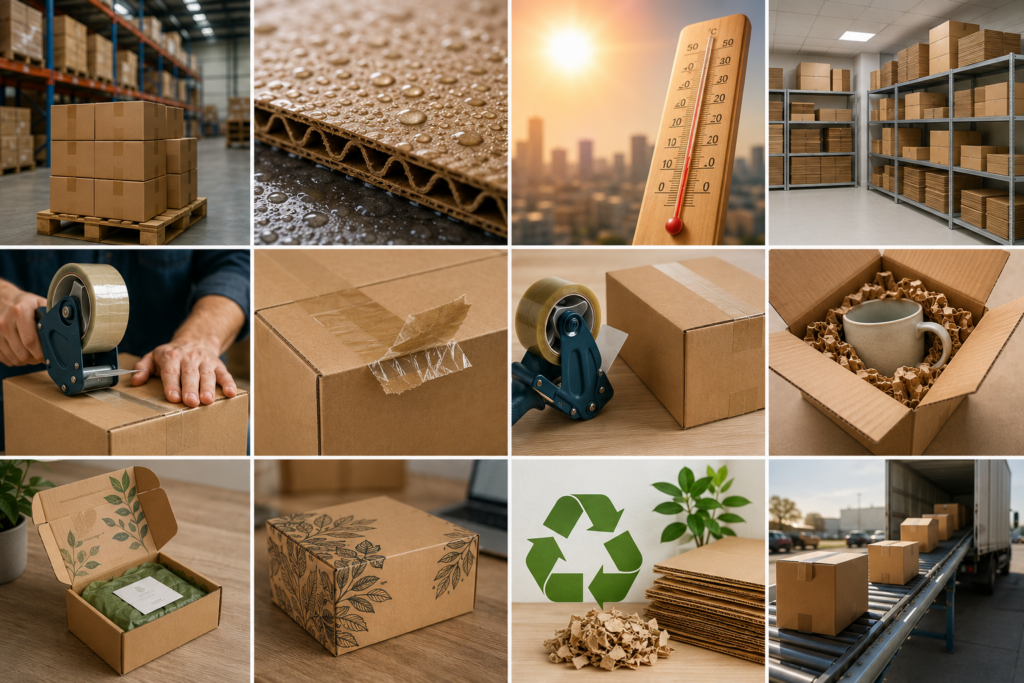
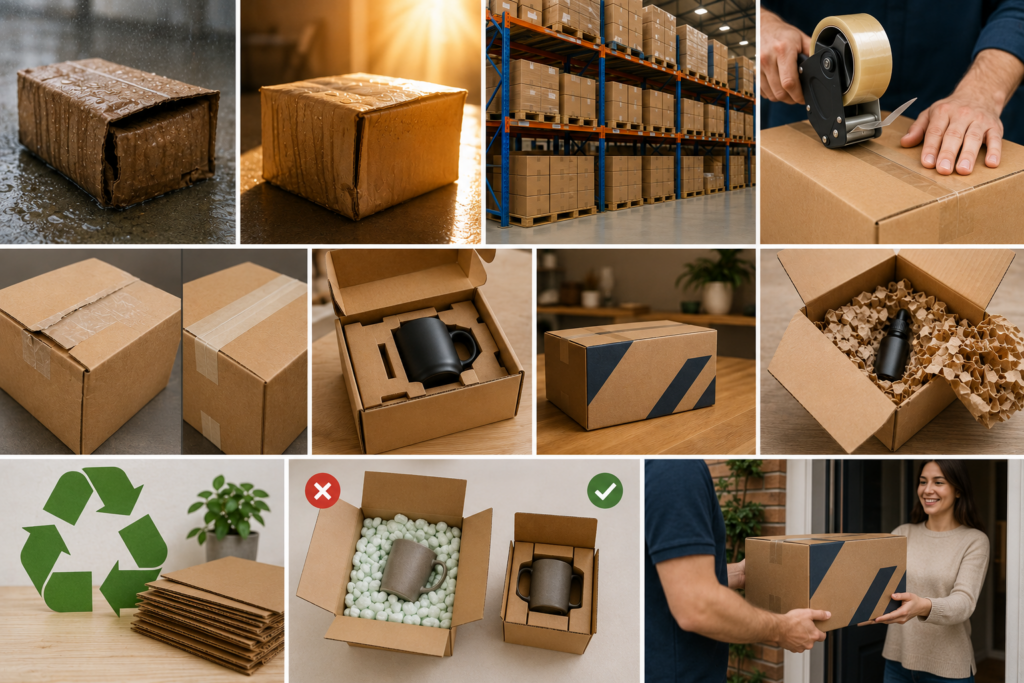
Shipping boxes are often chosen quickly. As long as the product fits, many businesses assume the box will do its job. In reality, shipping boxes play a much larger role in protecting products and shaping the delivery experience.

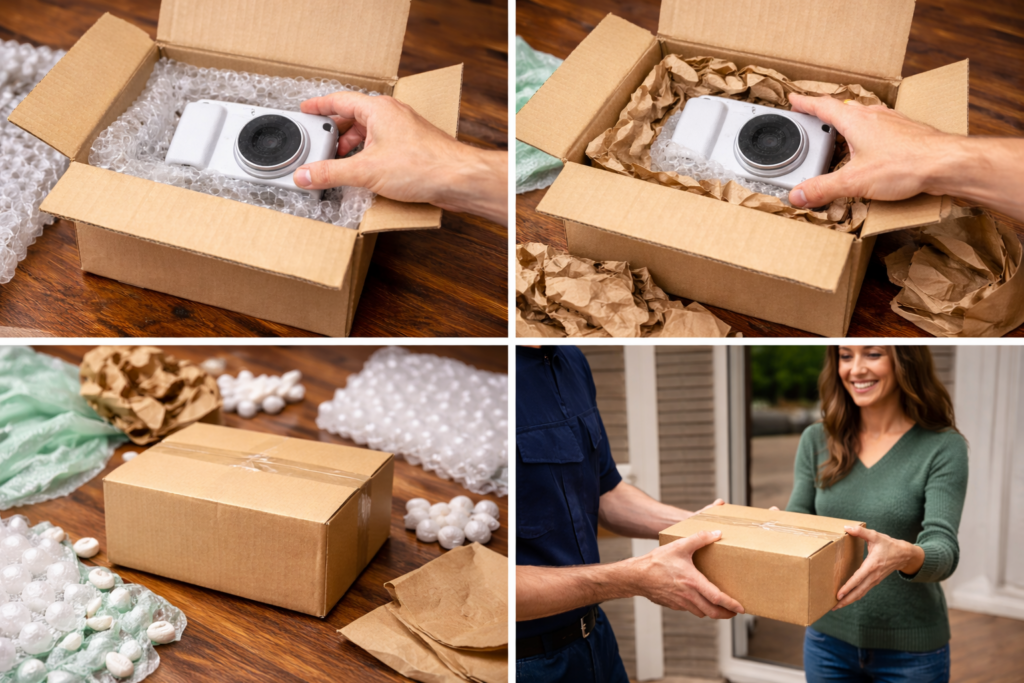
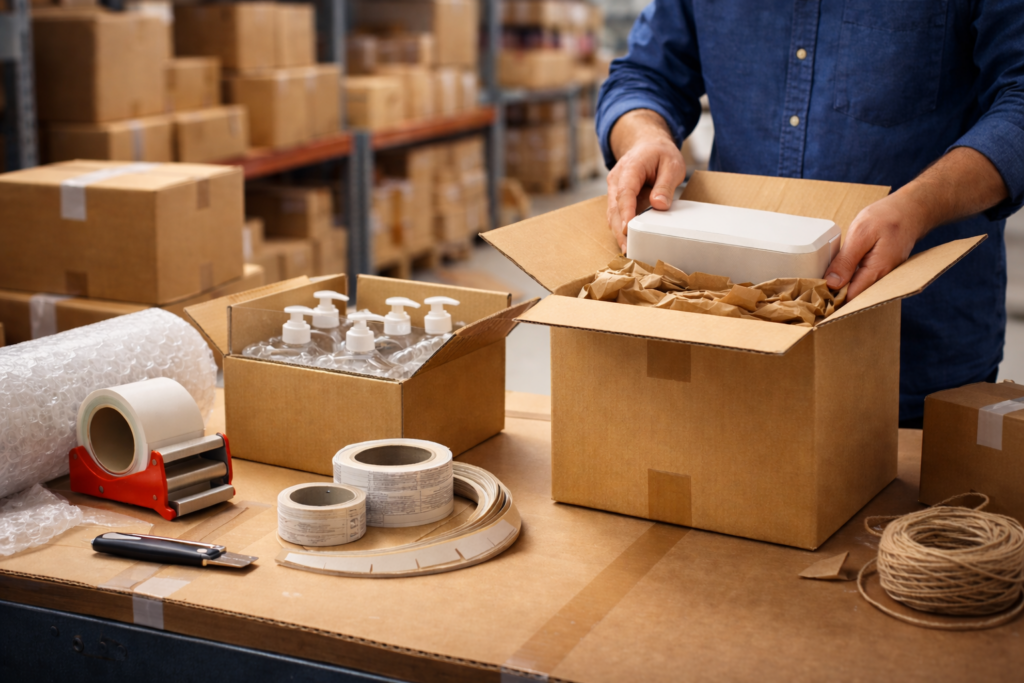
A box is the first and most important layer of protection during shipping. It absorbs pressure, supports stacking, and shields the product from impact. When the wrong box is used, problems appear fast.

Understanding how shipping boxes function helps reduce damage, improve efficiency, and create more reliable deliveries.

Shipping Boxes Are the First Line of Defense

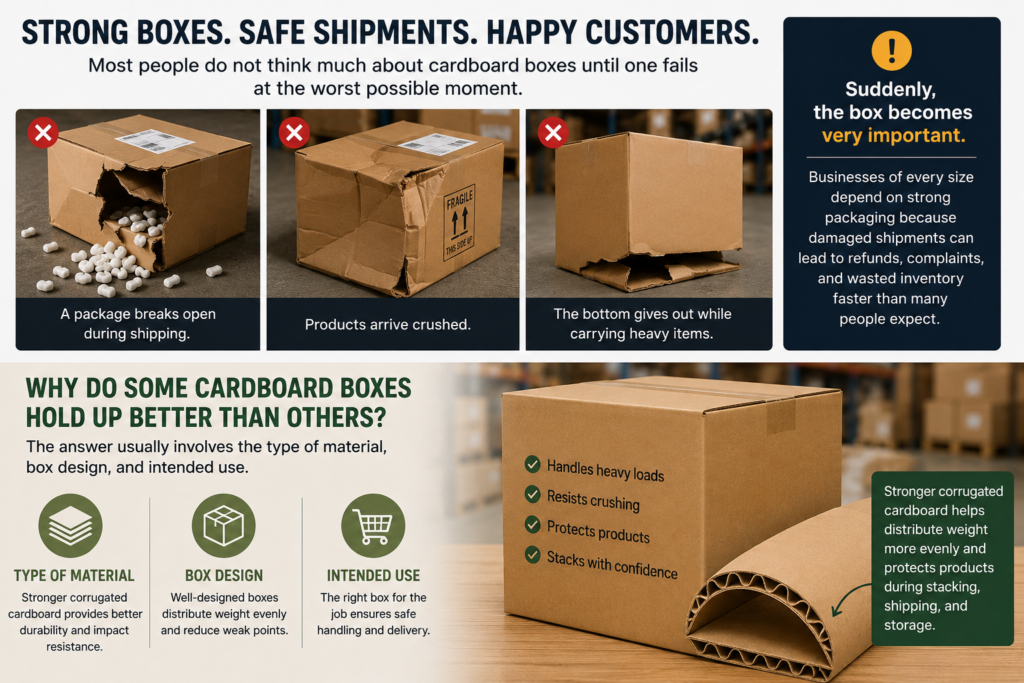
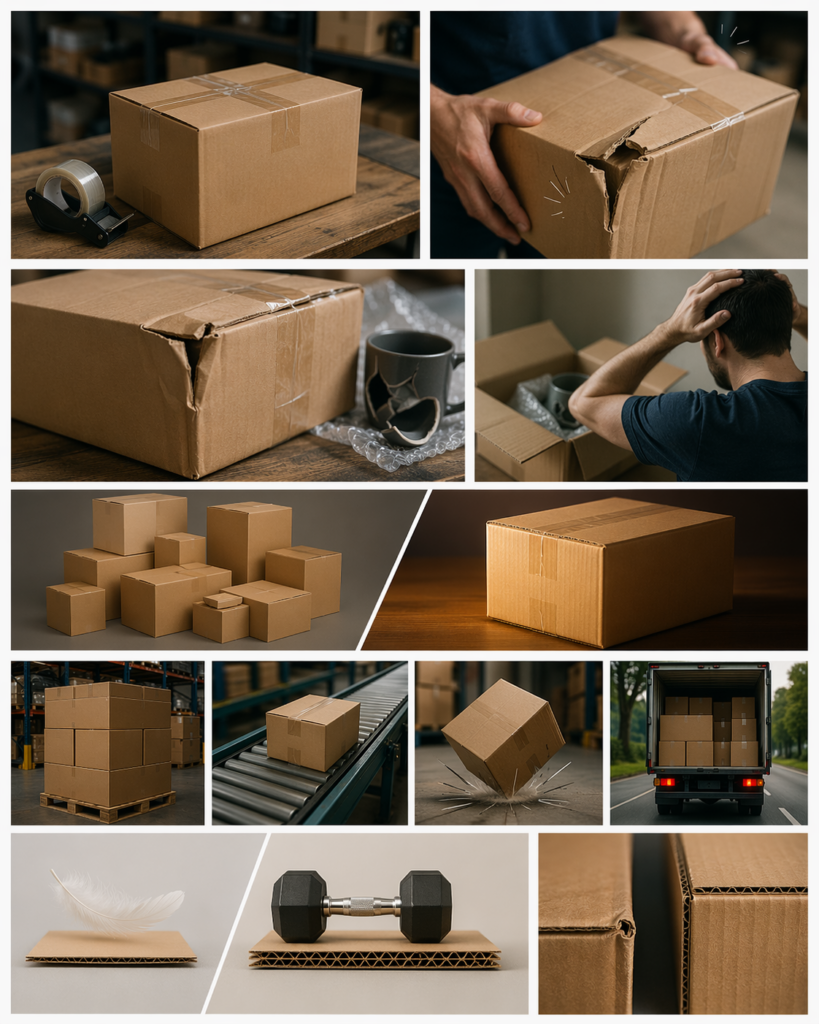
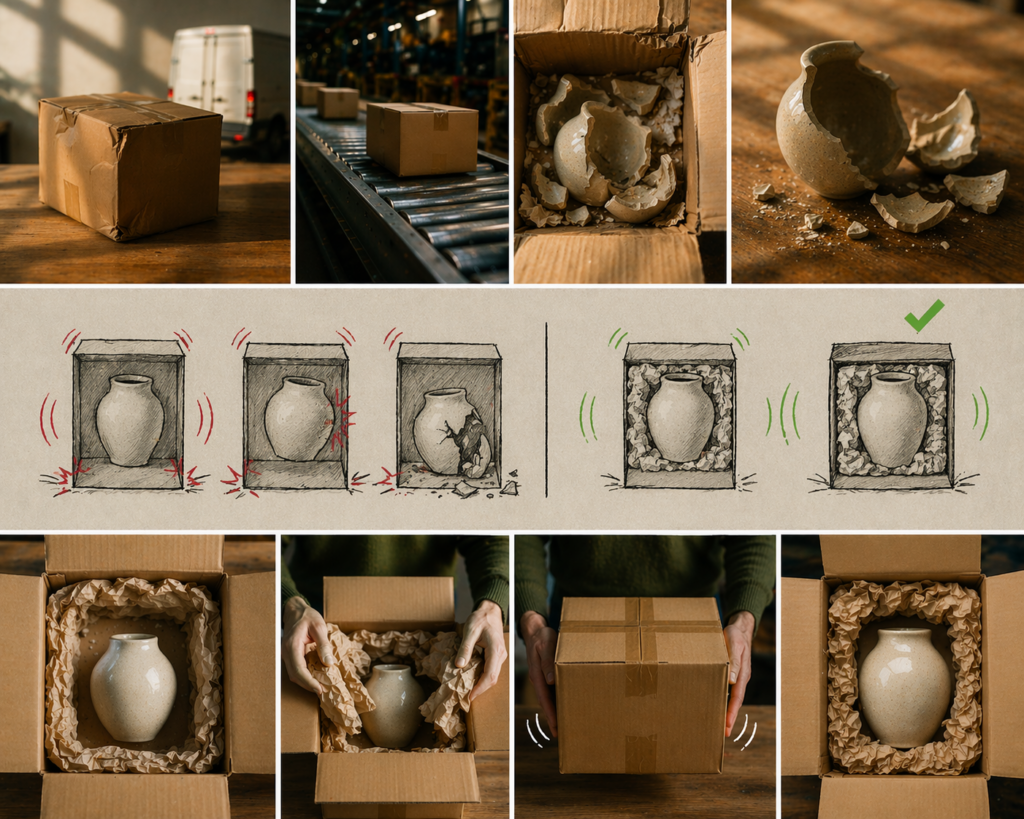
During shipping, packages are handled many times. Boxes are stacked, shifted, and sometimes dropped. A shipping box must withstand all of this without losing its shape.

Weak boxes collapse under pressure. Corners bend. Seams split. When that happens, the product inside becomes vulnerable to damage.

Strong shipping boxes distribute weight evenly and maintain their structure. This keeps contents protected and reduces the chance of crushed or damaged items.

Box strength matters just as much as box size.

Why Size Matters More Than You Expect

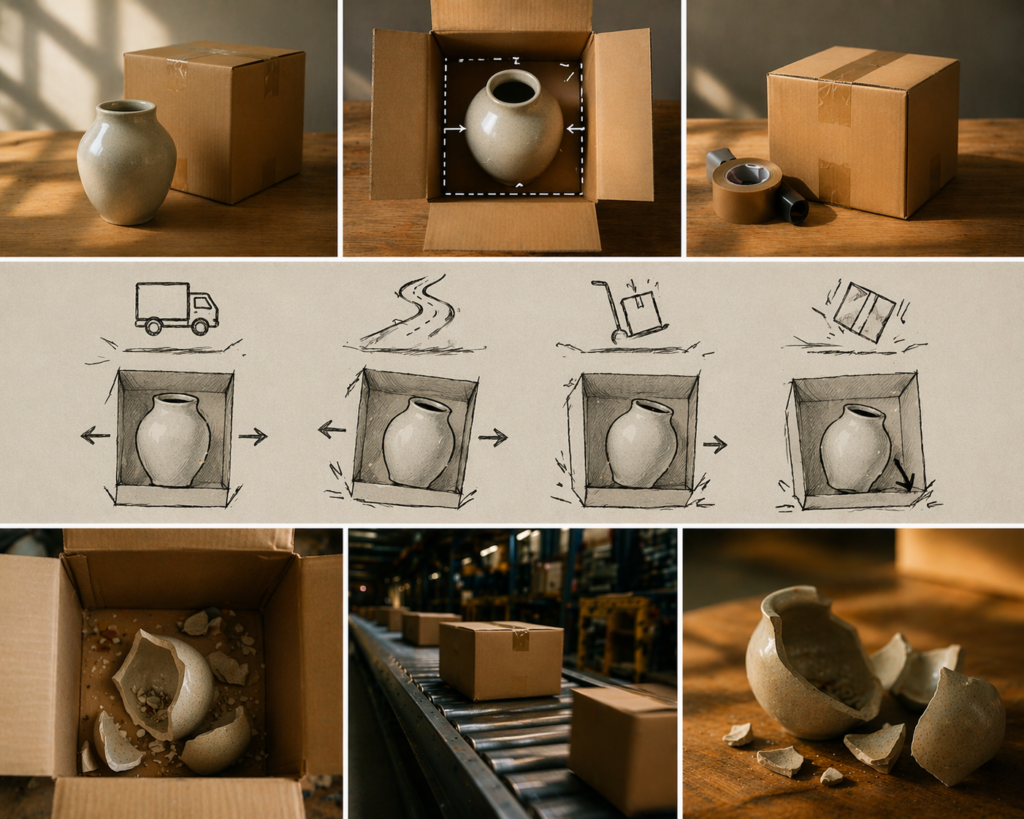
Using the wrong box size creates avoidable problems.

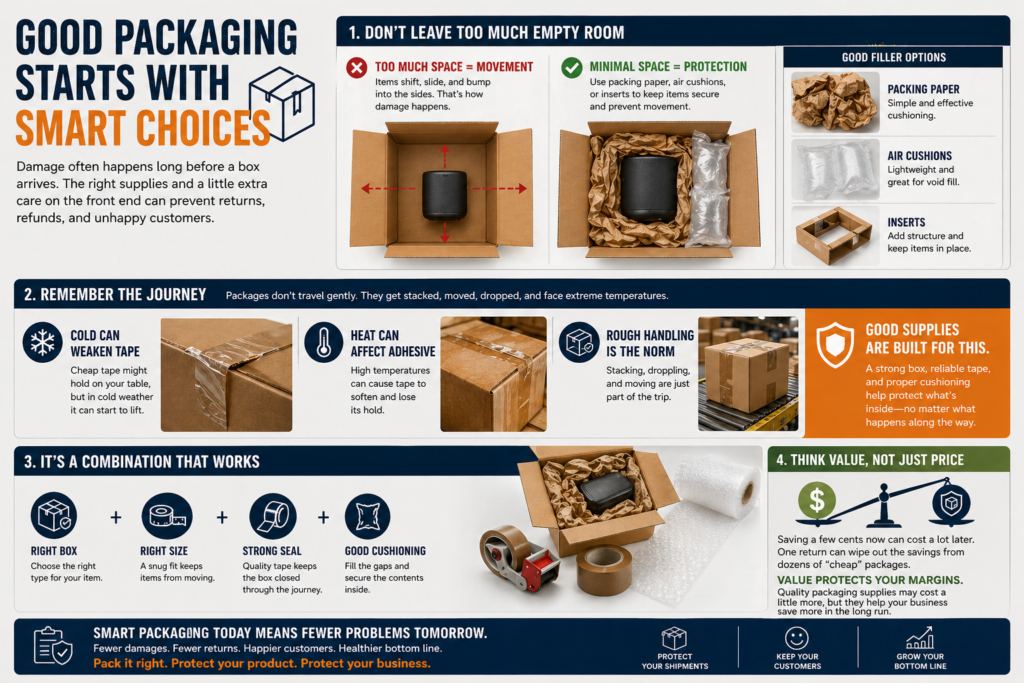
Boxes that are too large allow products to move around. This movement increases the risk of impact damage and usually requires extra padding to compensate. More padding means more material, more time, and higher shipping costs.

Boxes that are too small put pressure on seams and corners. This stress can cause boxes to split open or crush the product inside.

Right-sized shipping boxes reduce movement, improve protection, and eliminate the need for excessive filler. They also help control shipping costs by reducing wasted space and weight.

Stacking Strength Is Often Overlooked

Shipping boxes are rarely alone during transit.

They are stacked on pallets, in trucks, and in storage areas. Boxes that cannot support weight from above become weak points in the stack. When one box collapses, it can affect many others around it.

Good shipping boxes are designed to handle stacking pressure. They hold their shape even when weight is applied. This protects both the contents of the box and nearby packages.

Stacking strength is critical for safe and efficient shipping.

Consistency Improves Packing Efficiency

Using consistent shipping boxes makes daily operations smoother.

When employees know which box to use and how it performs, packing becomes faster and more predictable. Less time is spent adjusting padding or reinforcing weak spots.

Inconsistent box choices slow things down. Different box types require different packing methods, increasing confusion and errors.

Standardizing shipping boxes improves speed, accuracy, and training efficiency.

Shipping Boxes Affect Customer Perception

Customers notice packaging immediately.

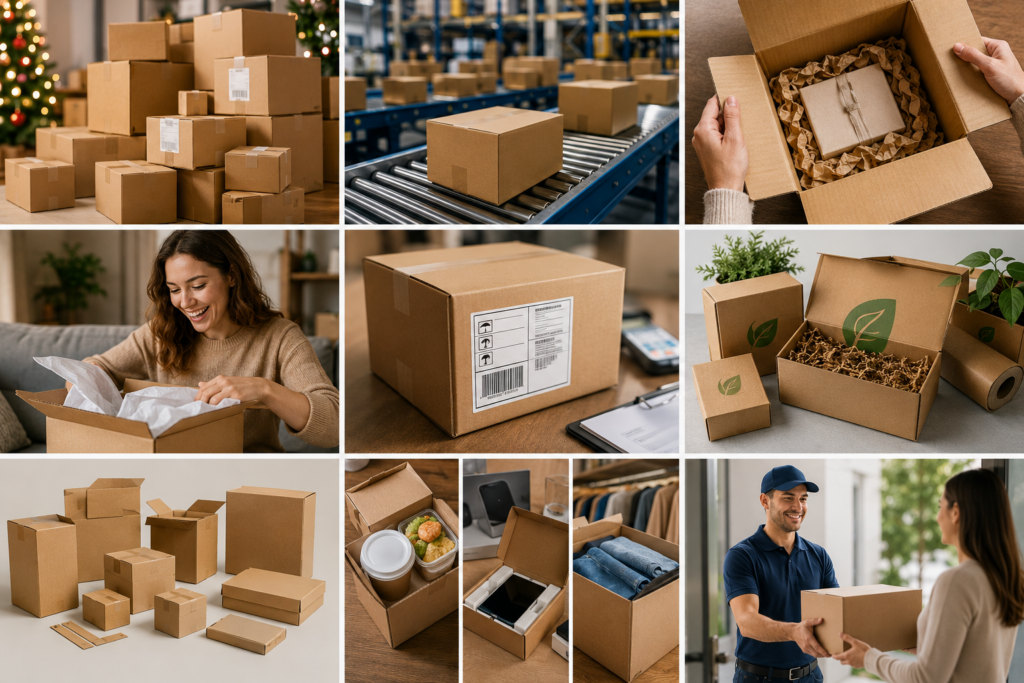
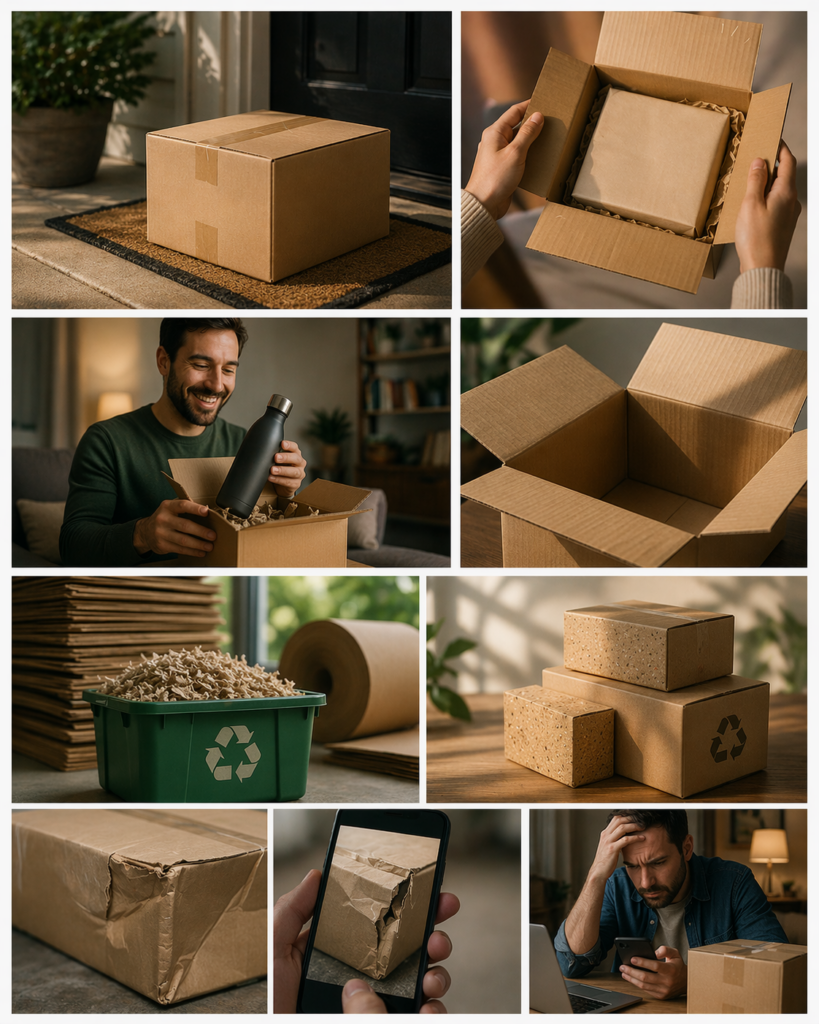
A clean, sturdy box creates confidence before the product is even opened. It signals care and professionalism. A damaged or flimsy box creates doubt, even if the product inside is unharmed.

Shipping boxes influence how customers feel about the order and the business behind it. That first impression matters.

Responsible Shipping Box Options

Many shipping boxes are now made using recycled or responsibly sourced materials.

These boxes are designed to provide strength while reducing waste. Choosing them allows businesses to protect products properly without unnecessary material use.

Responsible shipping boxes balance durability, efficiency, and thoughtful resource use.

Shipping Boxes as a Foundation

Shipping boxes are not just containers. They are a key part of a reliable shipping system.

When the right boxes are used, damage decreases, packing becomes easier, and customers receive their orders in good condition. Problems happen less often, and operations run more smoothly.

Choosing the right shipping boxes is one of the simplest ways to improve shipping outcomes and protect both products and customer trust.

Posted in Packaging and Shipping Supplies | Comments Off on Why Shipping Boxes Are More Than Just a Container

January Is The Month Candy Brands Get Serious

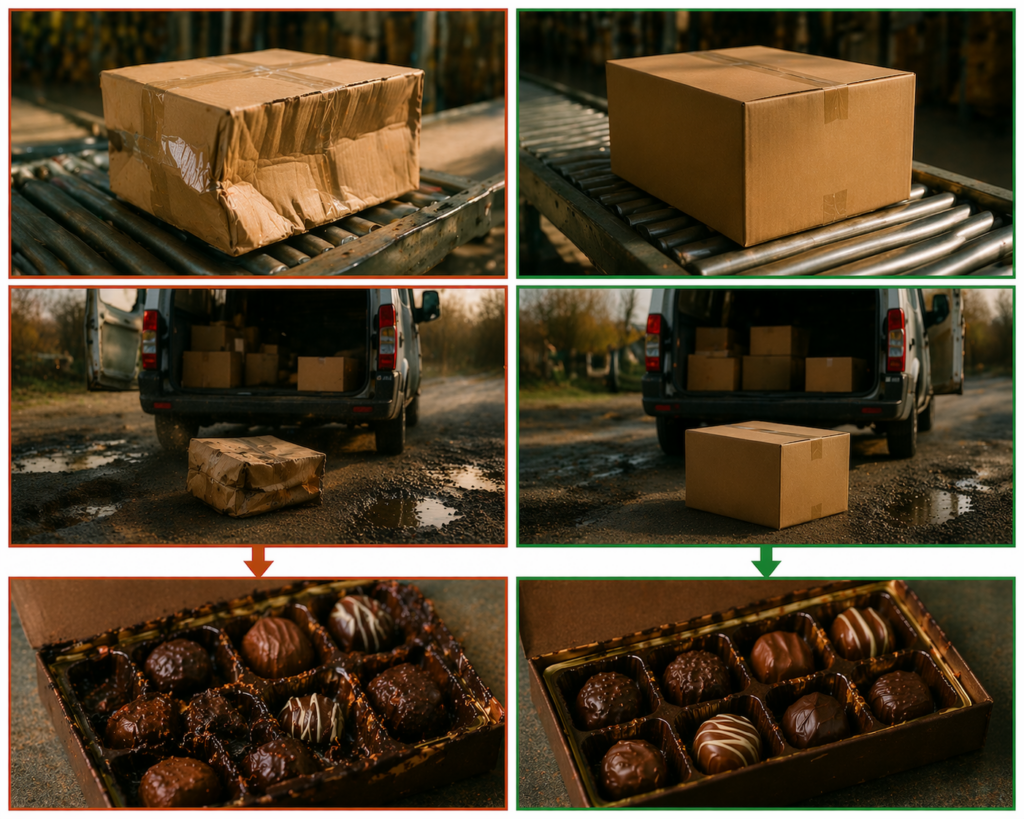
January is quiet, and that is exactly why it matters so much for candy businesses. The rush of the holidays is over. Orders slow down just enough to see clearly what worked and what caused problems. For many brands, candy boxes end up at the center of that review. Boxes that bent, lids that did not close right, or packaging that made a great product feel less special.

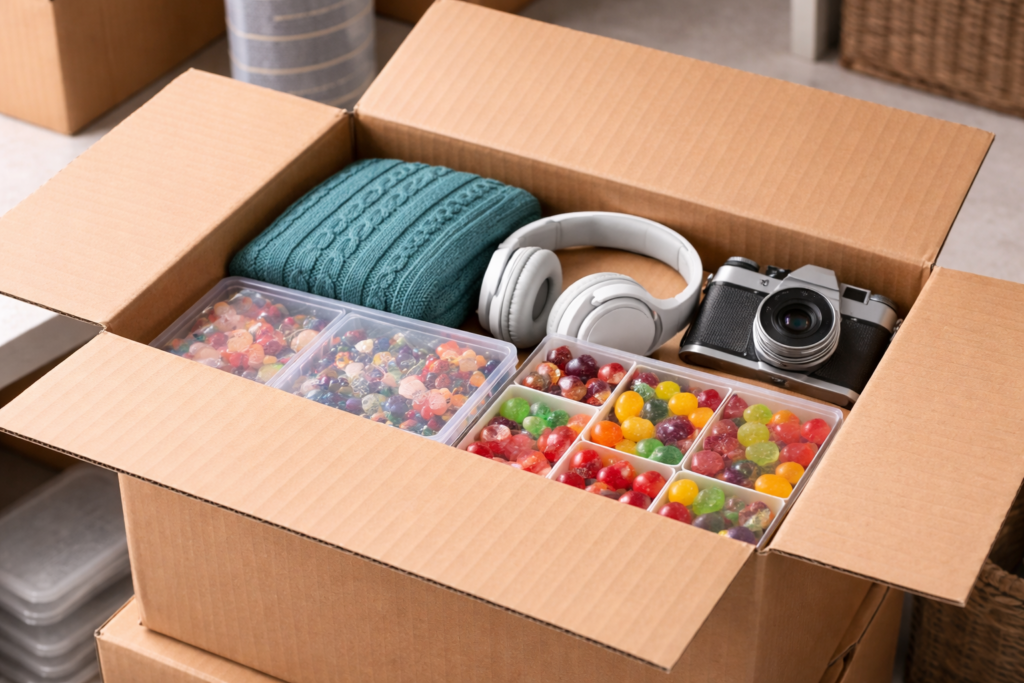
Candy boxes do more than hold candy. They protect shape, flavor, and presentation. When candy arrives cracked, shifted, or dull-looking, customers notice right away. Even the best chocolate or candy loses its appeal if the box feels weak or careless. January is the time to fix that before the next busy season arrives.

This month is also when businesses restock and plan ahead. Valentine’s Day is close, and spring promotions follow right behind it. Choosing the right candy boxes now prevents last-minute scrambling later. A strong box keeps its form through packing, storage, and shipping. It arrives looking intentional, not rushed.

Cheap candy boxes often show their flaws after the first few uses. Corners soften. Lids warp. Inserts slide out of place. These issues slow down packing and create waste. Better boxes reduce those problems. They fit properly, close cleanly, and hold candy in place even after being handled multiple times.

January is also a time when many businesses focus on saving money the smart way. Replacing damaged boxes and candy costs more than choosing quality packaging upfront. Strong candy boxes reduce rework, refunds, and unnecessary waste. That protects margins without cutting corners.

Good candy boxes also make daily work easier. Packing feels smoother when boxes behave the same way every time. Lids line up. Stacks stay even. Products look consistent. These small details matter, especially when teams are resetting routines for the new year.

There is also a responsibility angle that many businesses think about in January. Using well-made boxes often means using materials more efficiently. Fewer failed boxes means less trash and fewer reorders. It is not about being flashy or trendy. It is about being responsible and practical with resources.

Customers may never comment on a good candy box, but they notice when something feels off. A solid box quietly builds trust. It tells the customer the product inside was handled with care. That kind of confidence supports repeat orders and brand reputation.

January is the best time to make these improvements. There is space to think, test, and adjust before demand increases again. Candy boxes that work well now will keep working through Valentine’s Day, spring gifting, and beyond.

A fresh year deserves packaging that supports growth instead of creating friction. Candy boxes should protect the product, support the brand, and make operations easier. January is when those choices set the tone for the rest of the year.

Posted in Packaging Tricks | Comments Off on January Is The Month Candy Brands Get Serious

Shipping Gets Expensive in Ways People Don’t Track

Most businesses know what they pay carriers. Fewer know what shipping supplies really cost them.

The boxes, tape, labels, and fillers used every day feel routine, so they rarely get questioned. But just like packaging supplies, shipping supplies can quietly push costs up or help keep them under control.

One of the biggest issues is waste. Extra labels get misprinted. Tape gets wrapped too many times. Boxes get swapped at the last second because the right size ran out. These small adjustments happen fast, but they happen often.

Shipping supplies work best when they support a simple process. When the same supplies are used for the same shipments, mistakes drop. When supplies change constantly, errors creep in. A wrong label, a bad seal, or an incorrect box can turn into delays and extra fees.

Time matters just as much as materials. When shipping supplies are easy to grab and ready to use, orders move out smoothly. When workers have to hunt for labels, reload tape guns, or redo paperwork, everything slows down. Those delays cost money, even if they don’t show up on an invoice.

Another overlooked issue is durability. Shipping supplies have to survive more than just transit. Labels need to stay readable. Tape needs to stay sealed. Boxes need to hold up through sorting machines and stacking. Supplies that fail midway through shipping often create problems that are hard to trace back to the source.

Shipping supplies also affect accuracy. Clear labels reduce misroutes. Strong seals reduce tampering and loss. Consistent materials help carriers handle packages correctly. Small improvements here can prevent big headaches later.

As shipping volume grows, supply planning becomes more important. Running low forces rushed decisions. Rushed decisions usually cost more. Businesses that track what they use and reorder early avoid emergency purchases and workflow disruptions.

Customers may never see most shipping supplies, but they feel the results. Late deliveries, damaged boxes, and missing items shape their experience. Reliable supplies help shipments arrive on time and intact.

Shipping is already one of the largest expenses for many businesses. Shipping supplies shouldn’t make it worse. When they’re chosen and used with intention, they help control costs instead of adding to them.

Shipping supplies may not get much attention, but they play a bigger role than most people think.

Posted in Packaging and Shipping Supplies | Comments Off on Shipping Gets Expensive in Ways People Don’t Track

The Box That Makes Storage, Shipping, and Moving Actually Work

Cardboard boxes are one of the most familiar tools in everyday life, yet they’re also one of the most underestimated. They show up during moves, in warehouses, on retail shelves, in garages, in mailrooms—almost everywhere. They’re simple, stackable, affordable, and surprisingly strong. What makes cardboard boxes so valuable isn’t just what they hold, but how they make organizing, shipping, and storing easier for everyone who uses them.

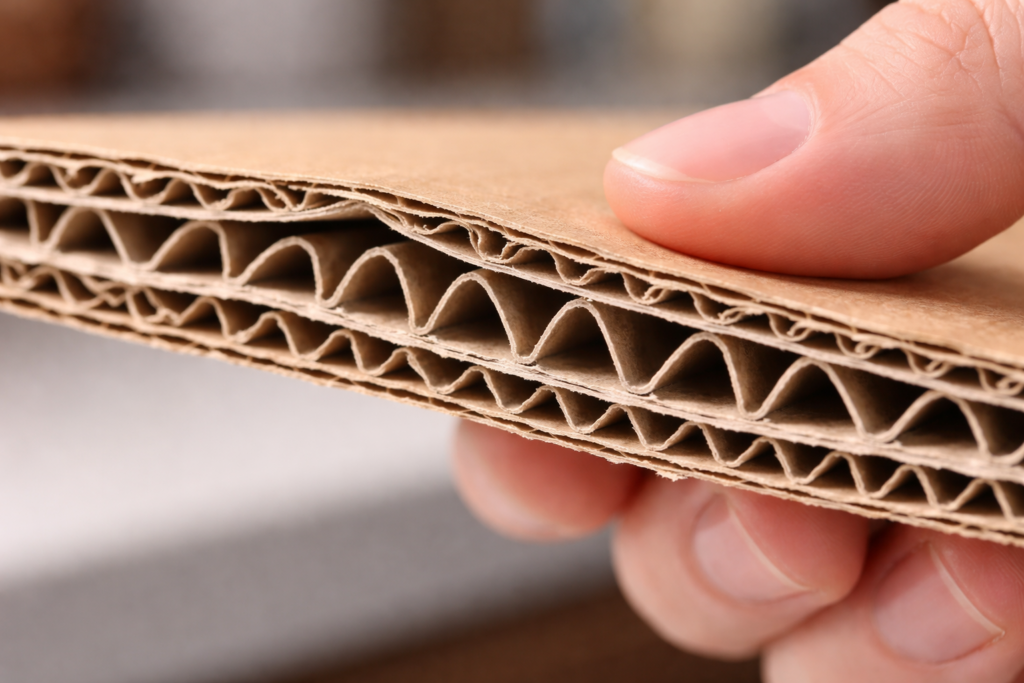
A cardboard box starts with structure. Corrugated cardboard is engineered to handle pressure and weight even though it’s lightweight. The fluted middle layer gives the box strength while the flat outer layers keep everything rigid. This construction allows a box to support heavy stacks, withstand bumps, and protect what’s inside. It’s the reason a single box can carry books, dishes, tools, or electronics without collapsing.

That strength translates directly into reliability. Businesses depend on cardboard boxes to ship orders across the country. Families depend on them when moving homes. Retailers use them to store seasonal products. Even small, home-based sellers rely on them to keep products safe in transit. Without sturdy cardboard boxes, most of these tasks would become chaotic, unorganized, and far more stressful.

Another reason cardboard boxes matter is organization. A bare shelf or scattered pile of items quickly turns into clutter. But the moment you put things into boxes, everything becomes manageable. Boxes stack neatly. Labels make items easy to find. Closets, garages, storage units, and warehouses all become cleaner when packed in standard-sized boxes. Instead of loose items rolling around, the box gives everything a defined space.

For businesses, cardboard boxes are a cornerstone of efficiency. Workers know exactly which size box fits which product. Pallets can be loaded quickly because the boxes stack evenly. Inventory stays predictable because boxes protect items in storage. A warehouse with good boxes runs smoother, faster, and with fewer errors. Even small improvements—like choosing the right box dimensions—save time, reduce shipping waste, and lower operational costs.

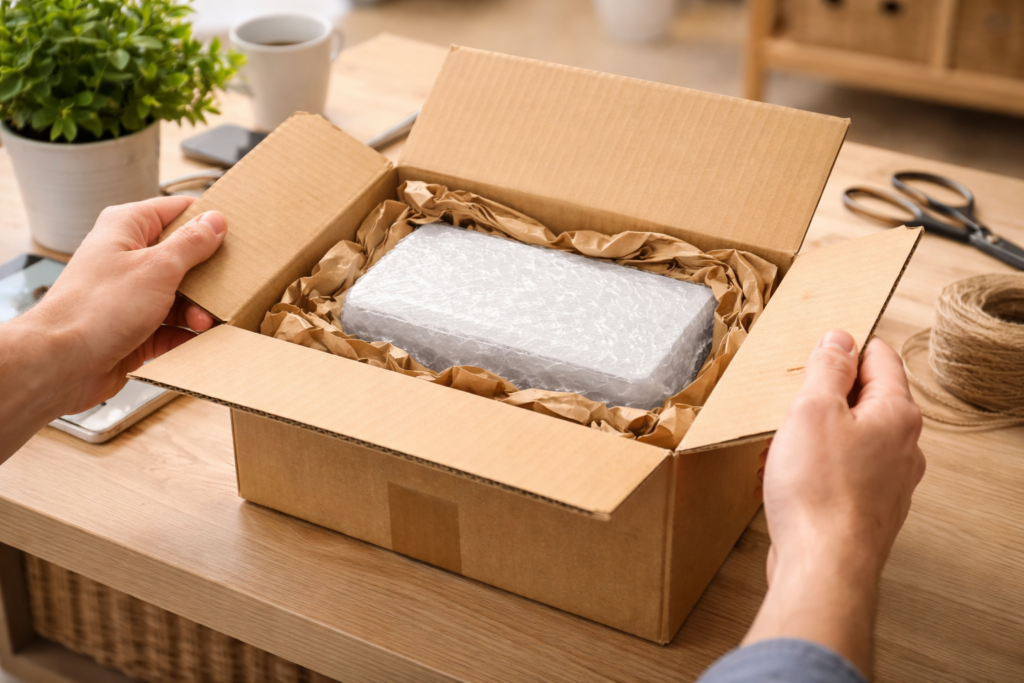
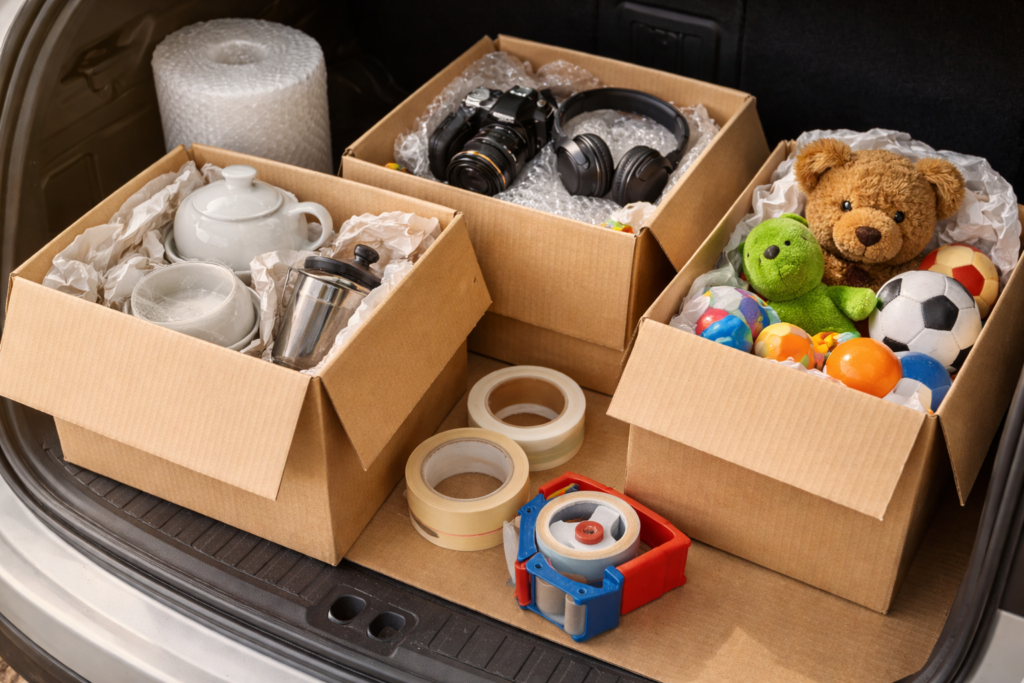
Protection is another major benefit. Inside a cardboard box, products stay shielded from dust, humidity, light, and physical impacts. Paired with cushioning materials like kraft paper, bubble wrap, or foam inserts, a cardboard box becomes a complete protective system. This matters whether the box is riding in a truck or sitting on a shelf for months.

Customers also care about the condition of the box when an order arrives. A sturdy, clean, well-sealed box signals professionalism. It tells the customer that the business took care of their order. Even before the item is opened, the box has already shaped their impression. In contrast, a weak or damaged box undermines trust instantly. The packaging sets the tone.

Cardboard boxes also support sustainability. Many boxes are made from recycled materials and can be recycled again after use. They can also be reused for years—first as shipping containers, later as storage boxes. This reduces waste and gives businesses and households a reliable tool that doesn’t harm the environment when used responsibly.

Flexibility is another reason cardboard boxes remain unmatched. They come in endless sizes and shapes—small, medium, large, extra-deep, flat, tall, heavy-duty, double-walled, and more. There’s a box for books, a box for dishes, a box for electronics, and a box for clothing. No matter what needs packing, there’s a box designed for it.

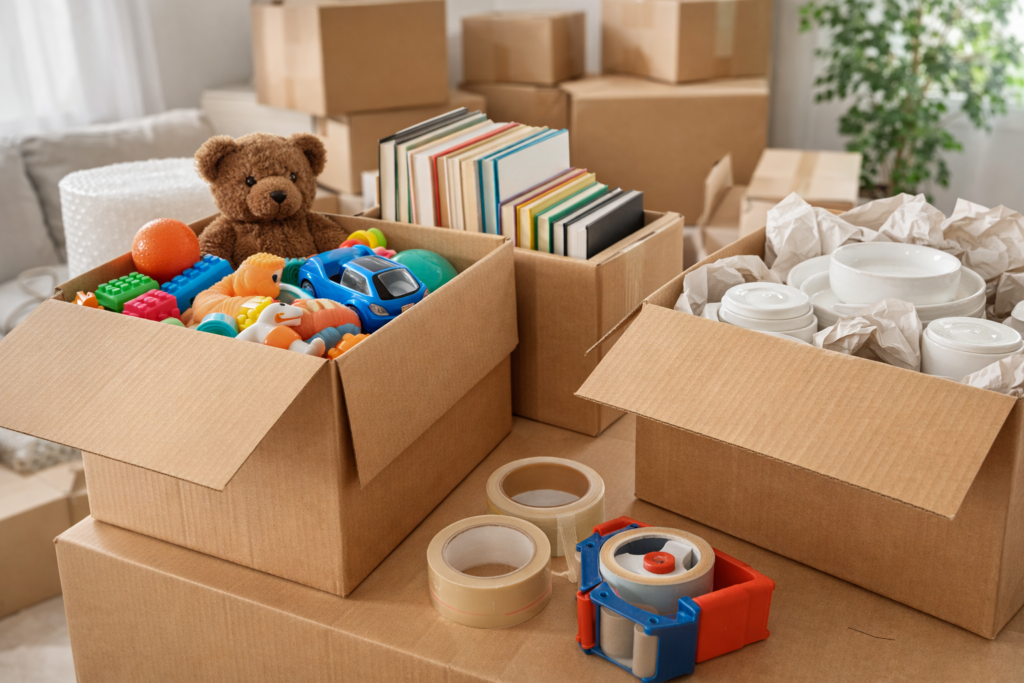
Outside of business, cardboard boxes are part of life’s biggest transitions. Moving to a new home is nearly impossible without them. They keep belongings organized, protected, and easy to transport. They help with decluttering, seasonal storage, and long-term organization.

What makes cardboard boxes so valuable is that they work without drawing attention to themselves. They protect, stack, store, ship, and organize. They make complicated tasks simple. They turn chaos into order.

Cardboard boxes may be ordinary, but they’re one of the most useful tools in modern life—and most people would feel lost without them.

Posted in Cardboard Boxes | Comments Off on The Box That Makes Storage, Shipping, and Moving Actually Work

Sweet Packaging, Big Results

Walk into any store that sells treats and you’ll notice something funny: the candy rarely sits on the shelf naked. It’s always dressed up. Sometimes it’s in clear windows. Sometimes it’s in bright colors. Sometimes it’s in cute little boxes that feel like a gift. In every case, the box is doing more than holding chocolate — it’s doing the selling.

That’s the power of candy boxes.

They turn a simple piece of chocolate into a moment. They make people pause, pick it up, and smile. The candy is the same candy. The sugar didn’t get sweeter. The cocoa didn’t get richer. But the box makes it feel special.

That’s why candy shops, bakeries, and gift stores use boxes that look good, close tight, and stack without collapsing. Presentation matters. When you’re selling something small, the package becomes half the product.

Strong boxes protect. Pretty boxes sell.

There’s also a practical side. Boxes make handling easier. You can pack more, faster. You can put them on shelves. You can ship them without fear of things melting or crumbling. If you’ve ever tried to move truffles in a cheap container, you know how quickly it becomes a mess. A good candy box solves that. It keeps items safe from fingers, from heat, from bumps, and from humidity.

There’s another reason retailers trust them: inventory.

Counting candy is easier when each box holds a consistent number. No piles of loose wrappers. No guessing. Ten boxes of six pieces is sixty pieces. Simple.

Sizes matter, too. Small, medium, large. Squares, rectangles, one-piece lids, two-piece lids, tuck tops, clear tops. Bakeries can match their product to the perfect fit. Brownies go in one style. Caramels go in another. Perfect rows, perfect lids.

And then comes branding.

Candy boxes are the easiest place to show identity. Add stickers, ribbons, tags, or logos. Even plain kraft or white boxes can look amazing when they’re dressed up right.

Posted in Packaging and Shipping Supplies | Tagged , , , , , , , , , , , , , , , , , , , , , , , , | Comments Off on Sweet Packaging, Big Results

The Tools That Keep Every Shipment Running Smooth

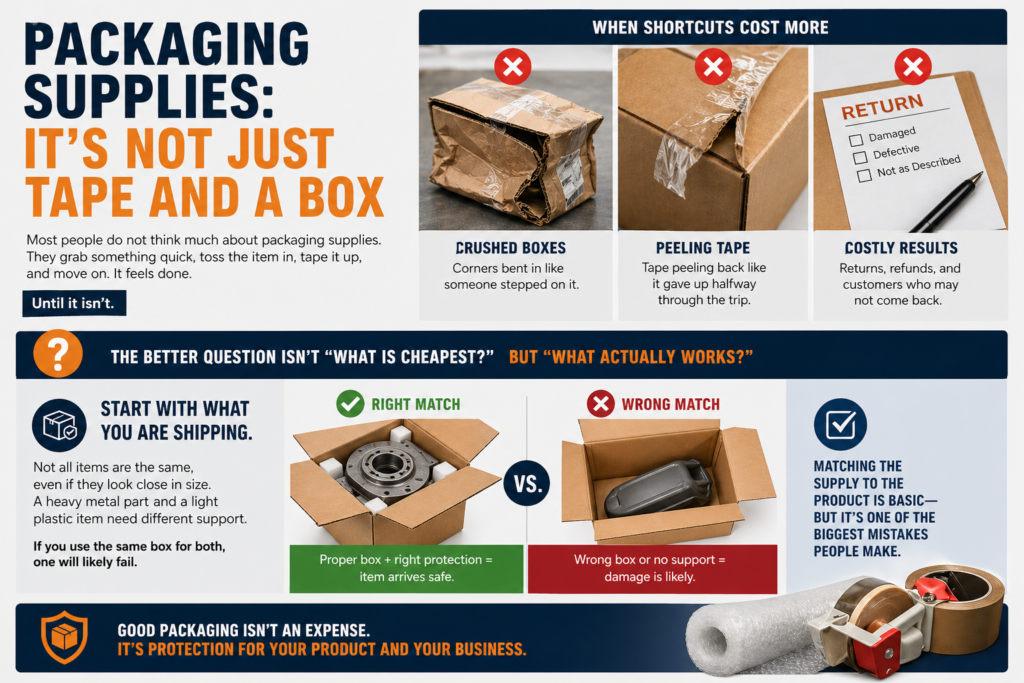
Packaging supplies are the quiet backbone of every warehouse, small shop, and online business. They do not get much attention, but everything depends on them working right. A customer may think they are buying a product, but what they actually receive is a combination of the product and the packaging that protects it. Boxes, tape, bubble wrap, poly bags, mailers, labels, and fillers all work together to make sure an order arrives safely, cleanly, and professionally.

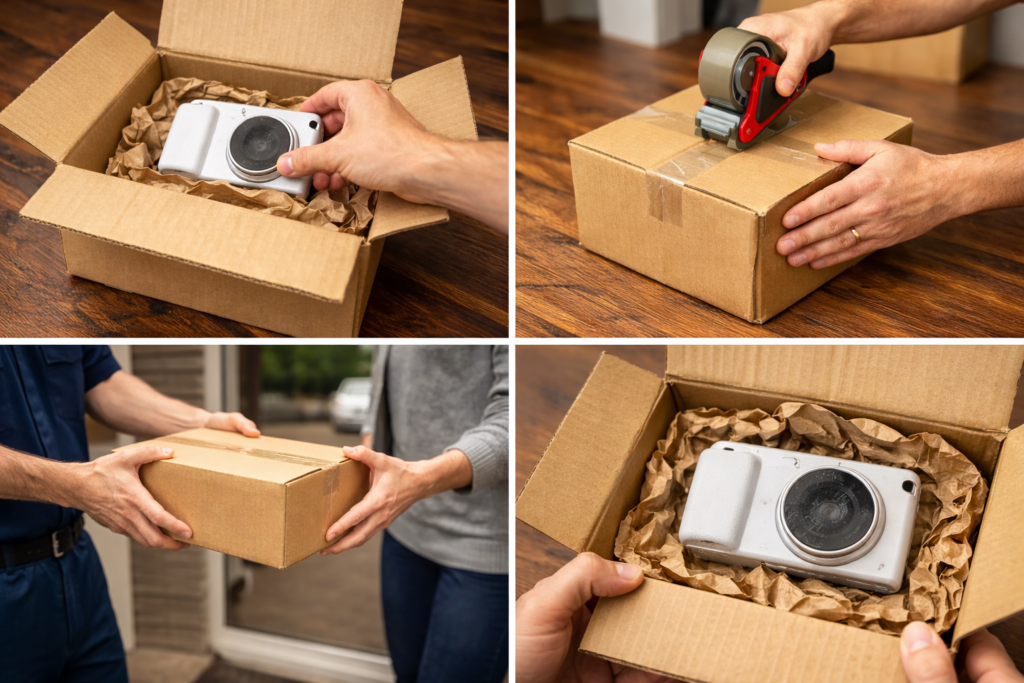
The power of packaging supplies starts with the simple idea of protection. A product can be perfect when it leaves the warehouse, but if it gets crushed, dented, scratched, or wet on the journey, the customer will not care how good it used to be. They will only see what arrives on their doorstep. Packaging supplies step in long before the box reaches the truck. Bubble wrap cushions fragile items. Kraft paper fills empty spaces so things don’t slide around. Tape seals the edges so moisture and dust stay out. Good supplies prevent damage long before it has a chance to happen.

Businesses rely on consistency. A box that always folds the same way. Tape that always sticks. Bags that always seal. When packaging supplies behave predictably, workers pack faster. Every order becomes smoother. This matters more than people realize. A busy warehouse needs rhythm. Workers grab the same roll of tape, the same size box, the same cushioning material, and know it will do its job. That consistency builds speed, and speed builds profit.

Packaging also shapes the customer experience. When someone opens a box and sees their product neatly wrapped, clean, and safe, it feels professional. A good unboxing moment creates trust. The customer thinks, “They took care with my order.” Even if the product is something simple, the way it is presented makes it feel more valuable. That’s the hidden strength of packaging supplies: they create confidence before the customer even touches the product.

Branding also shows up in packaging. A shop may not print custom boxes, but they might add branded tape, stickers, or thank-you cards. Even a small touch like that makes the packaging feel personal. Customers remember it. They associate the brand with care and quality. And in a world where repeat business is everything, small packaging details help bring people back.

Another overlooked strength is organization. Packaging supplies help create order in the workspace. Boxes stack neatly. Tape dispensers sit at stations. Bags line up in bins. Fillers stay packed until needed. When supplies are arranged well, the whole operation feels calm and efficient. Workers aren’t searching drawers or chasing missing rolls of tape. Everything has a place, and that organization makes every task smoother.

Cost efficiency plays a role too. Good packaging reduces returns, replacements, and damage claims. A stronger box or better cushioning might cost a few cents more upfront, but it can save dollars down the line. Businesses that choose the right packaging supplies often find that their customer service load drops and their shipping reviews improve. It’s a small investment with big rewards.

Packaging supplies stretch beyond warehouses and into everyday life. People use tape and boxes when they move homes. They use bubble wrap to protect holiday décor. They use bags to sort toys, tools, and kitchen items. These supplies work quietly in the background, making tasks easier without calling attention to themselves.

The truth is simple: packaging supplies keep the whole system running. They protect products, build trust, speed up workflow, and help businesses present themselves well. When chosen wisely, packaging supplies turn ordinary shipments into impressive experiences. They may be simple tools—but they make everything else work better.

Posted in Packaging and Shipping Supplies | Tagged , , , , , , , , , , , , , , , , , , | Comments Off on The Tools That Keep Every Shipment Running Smooth

The Hidden “Second Paycheck” Sitting In Your Packaging Supplies

If you run a business, you already know this: every box, bag, and roll of tape costs you money. But here’s the part most people miss… it can also pay you back.

Think about the last time a customer opened a package from you.
Did it feel solid, clean, and thought through?
Or did it feel like you grabbed whatever was cheapest and hoped for the best?

Packaging supplies are not just “stuff you have to buy.” They are part of the story your customer tells about you.

When a box shows up torn or taped like a kid’s school project, the customer feels nervous. They wonder, “What shape is my order in?” Their trust drops a little. They may not say anything, but they feel it.

Now picture this instead.

A driver sets a neat, sturdy box at your customer’s door. The corners are tight. The tape is straight. The label is clear. When they cut the tape, everything inside is snug, wrapped, and safe. Nothing rattles. Nothing looks thrown in.

The first thought they have is simple:
“These people have it together.”

That one moment does more than just protect the items. It makes your customer feel smart for buying from you.

Good packaging supplies do three big jobs for you:

  1. Protect the product.
    Strong boxes, bubble, mailers, and tape keep things from breaking, bending, or leaking. Less damage means fewer angry emails and fewer refunds.
  2. Protect your time.
    When the right supplies are close by and easy to use, your team packs faster. No more wrestling with tape that won’t stick or flimsy boxes that need “extra” everything.
  3. Protect your brand.
    What people touch and see is what they remember. Clean boxes, secure wrap, and a neat inside layout make your business feel safe and pro.

You don’t need fancy logos or high-end design to win with packaging. You need consistent quality.

Pick boxes that match what you ship. Use padding that fits the job, not just whatever is lying around. Choose tape that seals the first time and does not peel up in the truck.

Want one more bonus? Many modern packaging supplies use recycled and responsibly sourced materials. That means you can protect your products and still feel good about how you’re using resources. It’s not about being “tree-hugger fancy.” It’s about being wise and not wasteful.

So next time you look at your packaging shelf, don’t just see cost.
See fewer returns.
See better reviews.
See a quiet “second paycheck” built from trust.

Posted in Packaging and Shipping Supplies | Tagged , , , , , , , , , , , | Comments Off on The Hidden “Second Paycheck” Sitting In Your Packaging Supplies

The Hidden Cost of Bad Packaging (And How Smart Shippers Fix It Fast)

When businesses talk about “packaging,” most picture a plain brown box and move on. But anyone who ships products daily knows the truth: your packaging supplies can silently make or break your margins. A weak box, sloppy tape, or cheap filler doesn’t just look unprofessional—it creates real economic damage. Think broken merchandise, annoyed customers, returns, extra labor, and the slow creep of lost trust. These hidden costs pile up behind the scenes, quietly eating into your profits long before you even notice what’s happening.

The smartest shippers don’t treat packaging as an afterthought—they treat it as part of the product experience itself. Imagine this moment: your customer slices open a perfectly intact box that arrives looking like it took the first-class route, not the battlefield route. Inside, the items are secure, neat, clean, and presented the way you intended. No rattling, no crushed corners, no mystery dents. Everything feels intentional. That’s the power of choosing the right tools and getting packaging right from the start.

High-quality packaging supplies aren’t about being fancy. They’re about protecting your revenue. Let’s break this down with something simple: corrugated boxes. A durable, properly sized box reduces movement, absorbs pressure in transit, and resists stacking damage. Compare that to cheap boxes or reused flimsies—every mile of shipment becomes a gamble. A good box reduces claims, headaches, and costs. A bad box creates them.

Then consider tape—real tape, not the brittle dollar-store “clear strip of disappointment” that peels the moment you need it most. Commercial-grade tape secures the seams, prevents accidental openings, and holds structure during rough handling. When customers receive a box that’s half-opened, or patched up with multiple strips, it screams: “We cut corners.” And they remember that feeling long after the package is opened.

And don’t forget the void fill. Clean kraft paper, air pillows, or proper cushioning material are essential for preventing internal damage. This is where many businesses get it wrong—they use whatever scrap they have lying around. But proper void fill doesn’t just protect; it communicates care. Your customer sees effort, not shortcuts.

There’s also an environmental angle many buyers care about without wanting to be preachy about it. Using the right packaging often means less waste, not more. When you choose sturdy, properly sized materials, you avoid over-stuffing, over-boxing, and over-compensating with unnecessary fillers. Efficient packaging is actually more responsible, not less. Smart businesses want materials that are recyclable, conservative, and sensibly chosen—not flashy “eco claims” that don’t hold up.

What separates strong companies from struggling ones is this simple mindset shift: packaging supplies are a form of risk management. Every package that survives transit untouched is one less return, one less complaint, one less refund, one less frustrated email, and one more piece of brand trust. Over time, that adds up far more than most people realize.

Great packaging makes your operation smoother. It speeds up fulfillment. It builds customer confidence. It protects your brand’s reputation. And most importantly—it protects your wallet. When you use dependable materials built for real-world shipping, you turn every outbound package into a small victory instead of a lottery ticket.

Upgrading your packaging supplies isn’t about spending more money. It’s about saving more money by preventing losses. Every smart shipper eventually learns: better packaging isn’t an expense—it’s insurance.

Posted in Packaging and Shipping Supplies | Tagged , , , , , , , , , , , , , , | Comments Off on The Hidden Cost of Bad Packaging (And How Smart Shippers Fix It Fast)

Why Poly Bags Make Packaging Simpler, Safer, and More Efficient

Poly bags might look simple at first glance, but they’re one of the most versatile and dependable packaging tools businesses rely on every single day. Whether you’re shipping apparel, organizing small components, protecting fragile pieces, or preparing inventory for fulfillment, poly bags create an easy, flexible, and protective barrier that helps you keep products safe while streamlining your workflow. In a world where packaging demands continue to evolve with faster shipping speeds, sustainability concerns, and the need for clean presentation, poly bags offer a blend of practicality and efficiency that’s hard to match with any other material. Their lightweight construction makes them cost effective, while their durability makes them tough enough to handle the realities of shipping, storage, and daily handling.

Businesses appreciate poly bags because they simplify the entire packing process. Instead of using bulky materials or complicated protection methods, a poly bag provides instant clarity and coverage. Clear poly bags offer visibility, which is especially valuable in fulfillment centers where workers need to identify items quickly. The clarity also reduces errors, speeds up packing, and helps maintain inventory accuracy. For retail and ecommerce brands, this transparency elevates the unboxing experience, allowing customers to see their product immediately while still keeping it shielded from dust, fingerprints, and scratches that can occur during transit.

Another major advantage of poly bags is their versatility. They come in countless sizes, thicknesses, and styles, making them adaptable for practically any industry. Smaller gauge bags are excellent for lightweight items or bulk packaging, while thicker options offer protection for heavier or more delicate products. Resealable poly bags provide convenience for customers who may want to store or reuse the packaging. Gusseted bags add extra room for bulky or irregularly shaped products. Anti-static poly bags serve the needs of tech and electronics companies, helping protect sensitive components from static discharge. This wide range of options allows businesses to choose exactly what they need without overspending on unnecessary materials or worrying about poor product fit.

When it comes to shipping, poly bags help reduce costs in more ways than one. Their extremely light weight minimizes total package weight, which can reduce shipping fees across thousands of orders. They also take up far less warehouse space than alternatives like cardboard, making them ideal for businesses trying to optimize storage. Since poly bags ship flat, companies can keep thousands of them in a small footprint, freeing up room for inventory, equipment, and packing stations. This efficiency becomes especially valuable during peak seasons when order volume spikes and space becomes even more important for fast-moving operations.

Durability is another defining feature of poly bags. Despite their light weight, they offer strong resistance to tears, moisture, and punctures. This makes them ideal for products traveling through unpredictable conditions, whether passing through multiple distribution centers or being handled by different carriers. Even simple mailing poly bags, often used for clothing and textiles, provide a water-resistant, secure layer that shields your products from rain, snow, and accidental leaks during transport. Businesses that switch to high-quality poly bags often notice fewer damaged shipments and a smoother customer service experience.

Poly bags also play a key role in sustainable packaging strategies. While plastic has a complicated reputation, many modern poly bags are made from recyclable materials or designed to be reused multiple times. This creates opportunities for businesses to reduce waste without compromising protection or performance. Some poly bags are made with post-consumer recycled content, while others are fully recyclable through appropriate facilities. For companies focused on responsible packaging, choosing the right type of poly bag is a smart move that balances environmental considerations with practical shipping needs.

Ecommerce brands, manufacturers, and fulfillment teams all benefit from the simplicity that poly bags bring to everyday operations. They create a reliable layer of protection, help products move through the supply chain faster, and offer unmatched flexibility for packaging a diverse catalog of items. From small handmade products to high-volume inventory systems, poly bags support businesses by offering ease of use, affordability, and consistent performance. When chosen carefully and matched with the right product size and thickness, poly bags can transform the efficiency and appearance of your entire packaging process.

Posted in Bags | Comments Off on Why Poly Bags Make Packaging Simpler, Safer, and More Efficient

The Box That Built Every Business

Every successful shipment starts with one unsung hero—the cardboard box. It doesn’t flash or sparkle, but without it, nothing moves. From small shops to global brands, every product that’s ever traveled safely owes thanks to this everyday workhorse. Cardboard boxes don’t just carry items; they carry trust. They say, “this product will arrive just as promised,” and that promise keeps your business running strong.

What makes cardboard boxes so powerful is their balance of strength and simplicity. They’re light enough to ship cheaply, yet sturdy enough to protect against dents, drops, and weather changes. That balance is why they’ve been the backbone of packaging for more than a century. Every time someone opens a delivery and finds their order in perfect condition, a cardboard box has quietly done its job.

They’re also adaptable. You can get single-wall boxes for light goods, double-wall for heavy loads, or corrugated styles with fluting patterns that resist pressure from every side. You can cut them, fold them, print on them, or recycle them. No fancy gadget can match that kind of versatility. And when businesses want to look professional without spending a fortune, custom-printed cardboard boxes give them branding power for pennies on the dollar.

Cardboard boxes aren’t just about storage—they’re about storytelling. The moment a customer receives your package, they make a judgment before even seeing what’s inside. A clean, well-fitted box says “organized.” A branded one says “legit.” A damaged or oversized box says “we didn’t care.” The right box sets expectations before the product ever shows its face. That’s why smart companies invest in packaging that looks as good as it performs.

For e-commerce sellers, cardboard boxes are an extension of the website experience. They connect the online promise to real-world delivery. When the unboxing feels satisfying—flaps open smoothly, contents are secure, and there’s no mess—it reinforces confidence in your brand. That small moment can turn one-time buyers into loyal fans. People may forget the shipping label, but they remember how your package made them feel.

Cardboard boxes also simplify logistics. They stack cleanly in warehouses, fit perfectly on pallets, and reduce damage rates across shipping networks. Because they’re recyclable, they also support sustainability goals without forcing you to switch to expensive alternatives. In fact, most cardboard today already contains recycled fibers, giving it a second or third life before it’s even shipped. It’s eco-friendly and efficient at its best.

Businesses that master packaging often outperform competitors who treat it as an afterthought. It’s not just about getting a product from A to B—it’s about delivering reliability, reputation, and repeat sales. The right cardboard box gives you that edge. It protects your goods, elevates your brand, and shows customers you think ahead.

So, while other materials come and go, cardboard boxes remain the quiet foundation of commerce. They may look plain, but they’re packed with purpose. And in the world of business, that’s what really counts—substance that ships success.

Posted in Cardboard Boxes | Tagged , , , , , , , , , | Comments Off on The Box That Built Every Business