
You ever open a box of candy and just know right away something happened before it got to you, like the pieces look a little off, maybe the corners are pushed in, chocolate not sitting how it should, and you’re thinking there’s no way it left like that.
Most of the time it didn’t, it just got packed in something that couldn’t hold up once things started moving.
That’s the part people don’t really think about, because a box feels like the easiest part of the whole process, but candy is actually one of the easiest things to mess up if the packaging isn’t right, since it doesn’t take much pressure or shifting before things start to change.
If you’ve ever packed candy yourself, you know how it goes, everything looks clean at first, pieces lined up, maybe even looking better than expected, then you close the box, stack a few, and now there’s weight sitting on top of it, a little movement during loading, a few turns during delivery, and that’s when things start to shift.
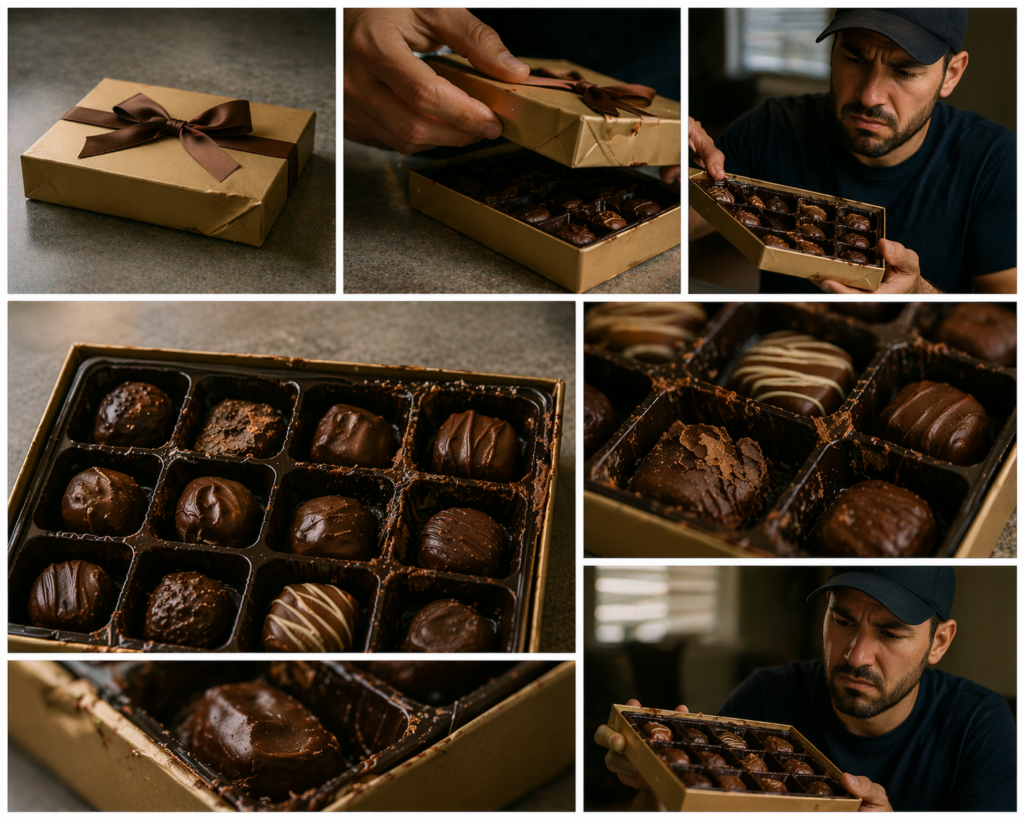
It’s not usually one big moment that causes the problem either, it’s small things stacking up, a slight dip in the box, a corner pressing in just a little, enough to move things around inside without you noticing it from the outside.
By the time it gets opened, the outside still looks fine, but inside tells a different story, and that’s where people get frustrated, especially if it was meant to be a gift or something they were planning to sell.
That’s where stronger candy boxes start to make a difference, because instead of flexing under pressure, they hold their shape even when stacked, which keeps everything inside more stable from the start.
When the sides stay firm, the candy doesn’t slide around as much, which sounds simple, but that one thing changes how everything looks when it arrives.
It also becomes more important when temperature comes into play, because candy doesn’t need to fully melt to cause problems, sometimes it just softens a little, and when that happens, any extra movement inside the box makes things worse.
A stronger box helps limit that movement, so even if conditions aren’t perfect, the end result is still a lot closer to how it started.
Another thing people run into is trying to save a little upfront by going with lighter boxes, not realizing that a small difference in strength can turn into a much bigger problem later when products need to be replaced or refunded.
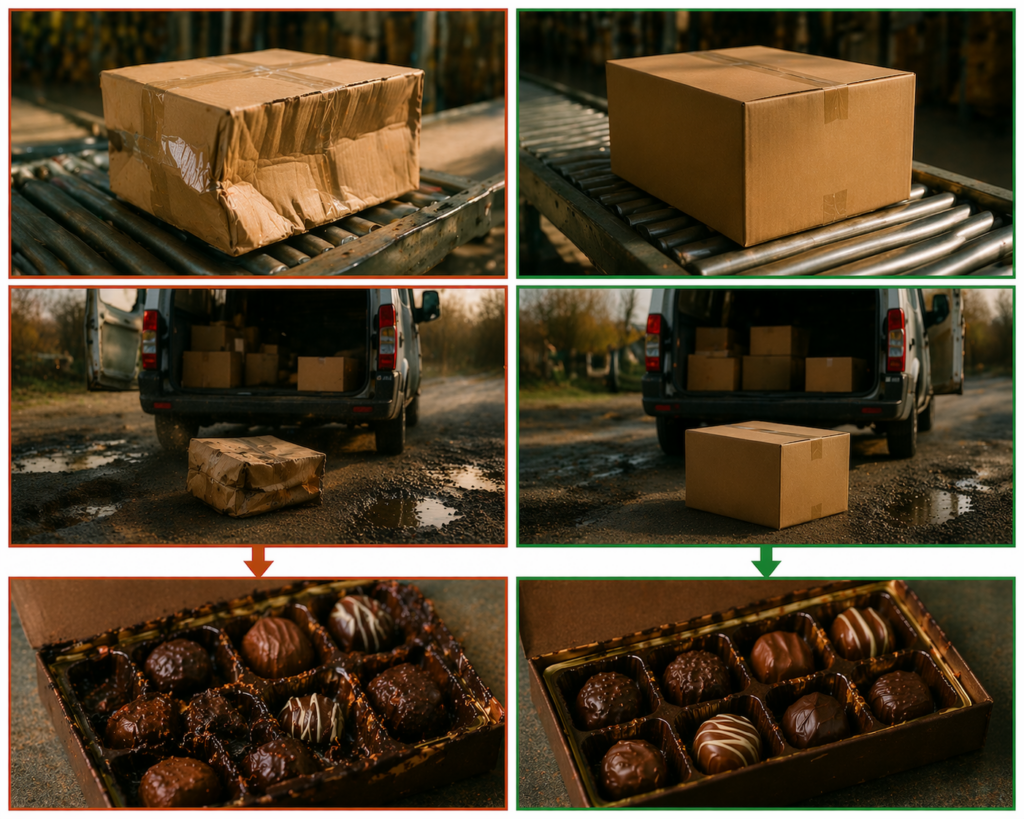
At that point, the box wasn’t cheaper, it just moved the cost somewhere else.
A lot of this only becomes obvious after someone deals with a few bad shipments and starts connecting the dots, because once you switch to boxes that actually hold up under normal use, those same issues tend to stop showing up.
It’s one of those things where nothing feels different during packing, but everything looks better when it arrives, and that’s usually when people realize the box was doing more work than they gave it credit for.
When the packaging holds its shape, protects what’s inside, and doesn’t create extra problems along the way, it quietly solves a lot of the issues that people used to think were just part of shipping candy.
