Why candy gets damaged

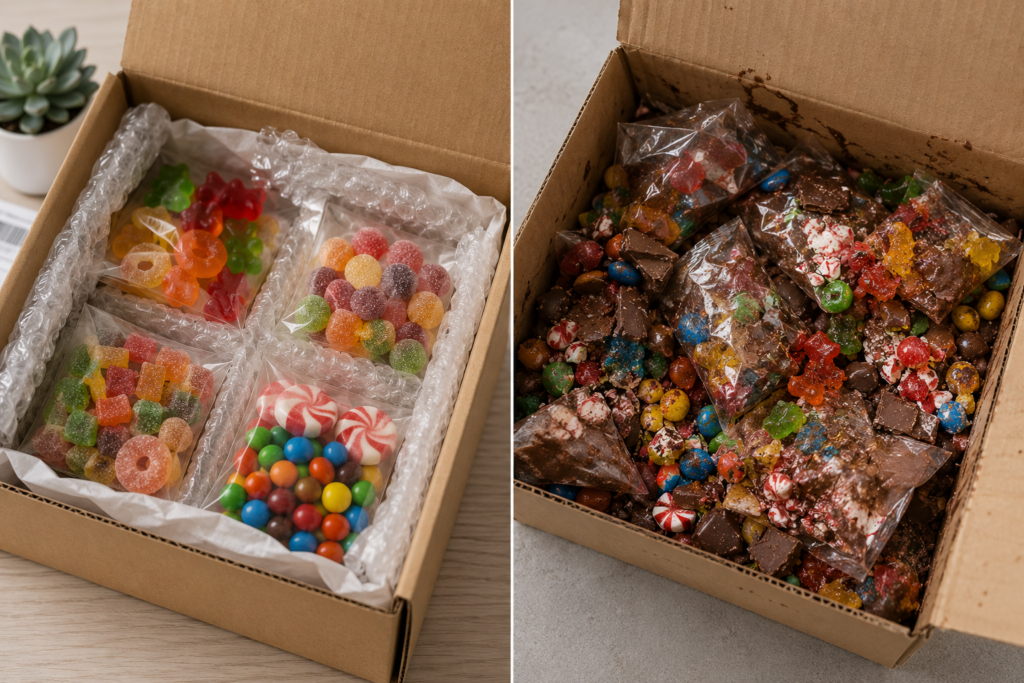
You ever open a box of candy and just know right away something happened before it got to you, like the pieces look a little off, maybe the corners are pushed in, chocolate not sitting how it should, and you’re thinking there’s no way it left like that.

Most of the time it didn’t, it just got packed in something that couldn’t hold up once things started moving.

That’s the part people don’t really think about, because a box feels like the easiest part of the whole process, but candy is actually one of the easiest things to mess up if the packaging isn’t right, since it doesn’t take much pressure or shifting before things start to change.

If you’ve ever packed candy yourself, you know how it goes, everything looks clean at first, pieces lined up, maybe even looking better than expected, then you close the box, stack a few, and now there’s weight sitting on top of it, a little movement during loading, a few turns during delivery, and that’s when things start to shift.

It’s not usually one big moment that causes the problem either, it’s small things stacking up, a slight dip in the box, a corner pressing in just a little, enough to move things around inside without you noticing it from the outside.

By the time it gets opened, the outside still looks fine, but inside tells a different story, and that’s where people get frustrated, especially if it was meant to be a gift or something they were planning to sell.

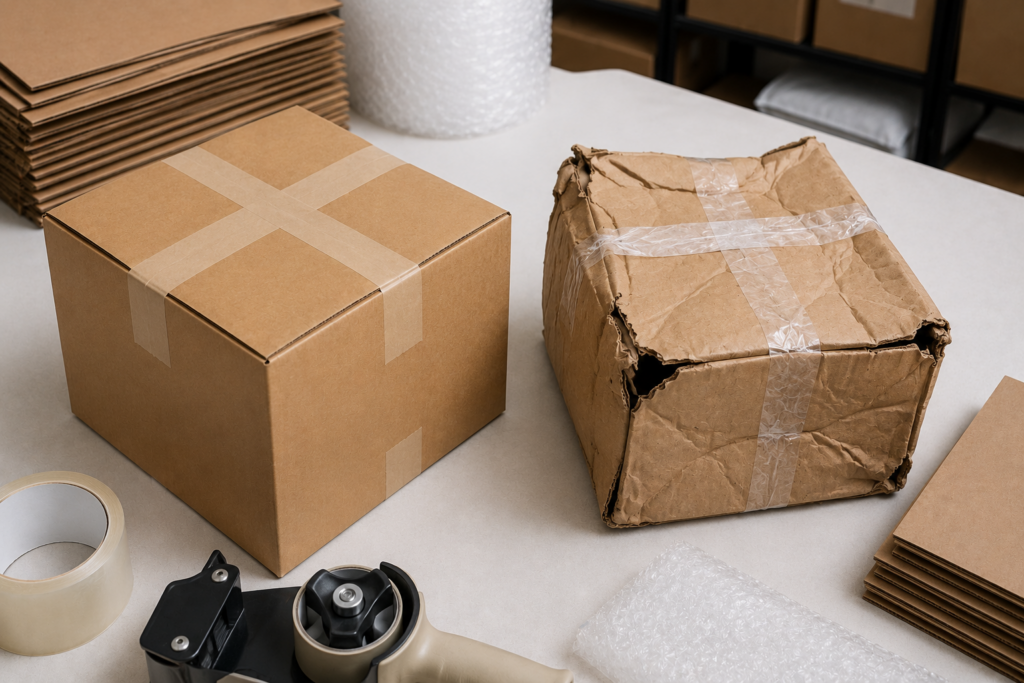
That’s where stronger candy boxes start to make a difference, because instead of flexing under pressure, they hold their shape even when stacked, which keeps everything inside more stable from the start.

When the sides stay firm, the candy doesn’t slide around as much, which sounds simple, but that one thing changes how everything looks when it arrives.

It also becomes more important when temperature comes into play, because candy doesn’t need to fully melt to cause problems, sometimes it just softens a little, and when that happens, any extra movement inside the box makes things worse.

A stronger box helps limit that movement, so even if conditions aren’t perfect, the end result is still a lot closer to how it started.

Another thing people run into is trying to save a little upfront by going with lighter boxes, not realizing that a small difference in strength can turn into a much bigger problem later when products need to be replaced or refunded.

At that point, the box wasn’t cheaper, it just moved the cost somewhere else.

A lot of this only becomes obvious after someone deals with a few bad shipments and starts connecting the dots, because once you switch to boxes that actually hold up under normal use, those same issues tend to stop showing up.

It’s one of those things where nothing feels different during packing, but everything looks better when it arrives, and that’s usually when people realize the box was doing more work than they gave it credit for.

When the packaging holds its shape, protects what’s inside, and doesn’t create extra problems along the way, it quietly solves a lot of the issues that people used to think were just part of shipping candy.

Posted in Packaging and Shipping Supplies | Comments Off on Why candy gets damaged

The small things matter most

You pack an item, place it in a box, and send it out. It feels done. But when it arrives, something is not right. Maybe it shifted. Maybe it got scratched. Maybe it just does not look as clean as it should. That is when you start to see how much the small things matter.

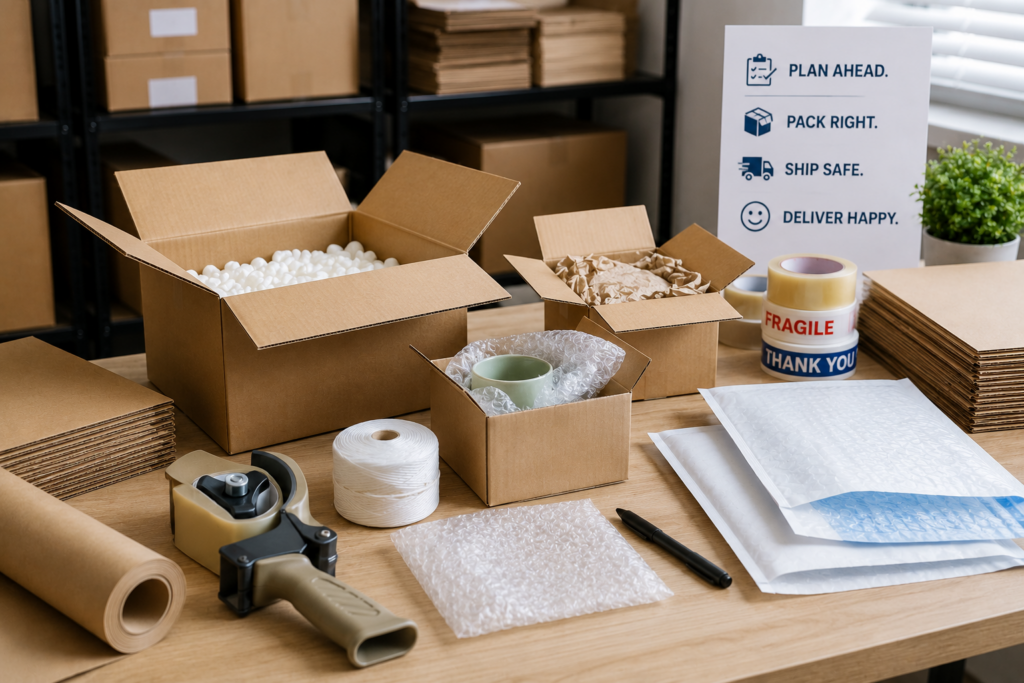
Shipping supplies are the parts people often rush. Tape, padding, filler, and wrap may seem simple, but they all play a role in what happens during the trip. These are the pieces that hold everything together and keep the item safe.

Think about what happens inside the box. Your item is sitting there while the box is moving. If there is nothing holding it in place, it will slide. When it slides, it hits the sides. Each hit adds up over time. That is how small damage starts.

Padding is one of the most important shipping supplies you can use. It fills empty space and helps stop movement. When you place it around the item, it acts like a soft barrier. It keeps the item from hitting the box and helps absorb impact when the box is handled.

There are different types of padding, and each one works in its own way. Packing paper can be shaped to fit around items and fill gaps. Air cushions press down and bounce back, helping to take pressure off the item. Soft wrap can go around the item to protect it from scratches.

The key is not just using padding, but using enough of it. If there are empty spaces, the item will move into them. When that happens, the protection you added will not do its job. You want the item to feel steady when the box is moved.

Tape is another part that people often overlook. It may seem like it is just there to close the box, but it does more than that. Tape helps hold the shape of the box. When the box is under pressure, a good seal keeps it from opening or bending.

Think about lifting a box with weak tape. The flaps may start to pull apart, and the box may lose its shape. A strong seal keeps everything tight and secure from start to finish.

There is also the bottom of the box to consider. This is where the weight sits. Adding a layer of padding on the bottom helps protect the item when the box is set down. It gives you one more layer of safety.

Before you close the box, take a moment to check your work. Lift it and move it gently. If you feel the item shift, open it back up and add more support. This quick step can prevent problems later.

Using shipping supplies the right way is not about adding more steps. It is about slowing down for a moment and thinking through what the item will face. You are preparing it for a trip that includes movement, pressure, and time.

In the end, the goal is simple. You want the item to arrive in the same condition it left. Clean, safe, and ready to use. Those small supplies you used along the way are what make that possible.

Posted in Packaging and Shipping Supplies | Comments Off on The small things matter most

Boxes that break mid-move

It usually happens at the worst time. You lift a box, take a few steps, and then you feel the bottom start to give. The sides bend, the tape pulls, and suddenly everything inside is at risk of falling out. That moment is stressful, especially when you are moving, packing, or storing things you care about.

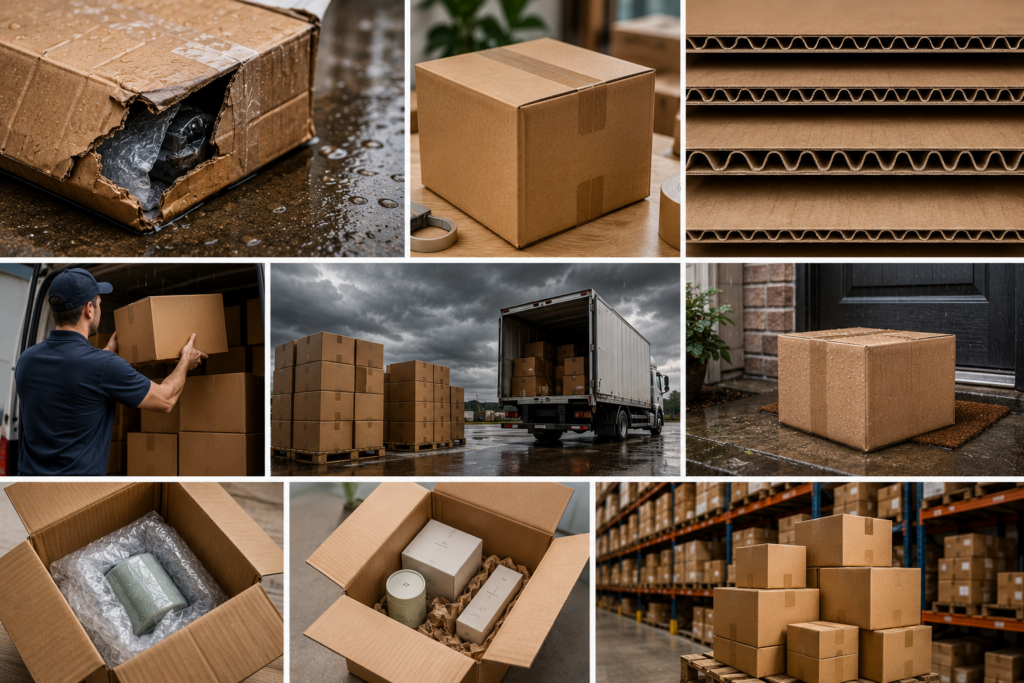
A lot of people ask why some boxes hold strong while others fail so quickly. The answer often comes down to the type of material and how the box is built. Not all cardboard boxes are made the same, even if they look similar at first glance.

Cardboard boxes are designed to carry weight, but they do it in a very specific way. The layers inside the cardboard help spread pressure across the box instead of letting it focus in one spot. When this is done well, the box feels firm in your hands. When it is not, the box can bend and weaken under even normal use.

Think about packing a box with books. You stack them neatly, close the flaps, and lift it. A well-made cardboard box holds its shape as you carry it. The corners stay straight, and the bottom stays flat. You can walk across the room without feeling like you need to rush before something breaks.

Another common question is how to pack items so they stay safe inside. Cardboard boxes help by creating a steady space. When the walls are firm, your items do not shift as much. This reduces the chance of damage, especially for things that can crack, bend, or scratch.

There is also a simple benefit when it comes to stacking. When boxes are strong, you can place one on top of another without worrying. Picture a clean stack of boxes sitting in a room, each one holding its place without leaning or collapsing. This makes it easier to organize space, whether at home or in a workspace.

Cardboard boxes are also helpful for storage over time. When you place items inside and close the box, you create a barrier from dust and light. This helps keep your things in better condition, especially if they are stored for weeks or months. When you open the box later, everything feels the same as when you packed it.

People also wonder how to make moving less stressful. One answer is using boxes that you can trust. When you know a box will hold, you do not have to double check every step. You can focus on getting things done instead of worrying about what might go wrong.

For families, this can make a big difference. Packing up a room becomes smoother when each box does its job. There is less cleanup, fewer accidents, and more time saved along the way.

In the end, cardboard boxes are not just simple containers. They help carry weight, protect items, and make everyday tasks easier. When a box holds strong from the moment you lift it to the moment you set it down, it turns a stressful situation into one that feels manageable and under control.

Posted in Packaging Tricks | Comments Off on Boxes that break mid-move

The Shipping Mistake Everyone Makes

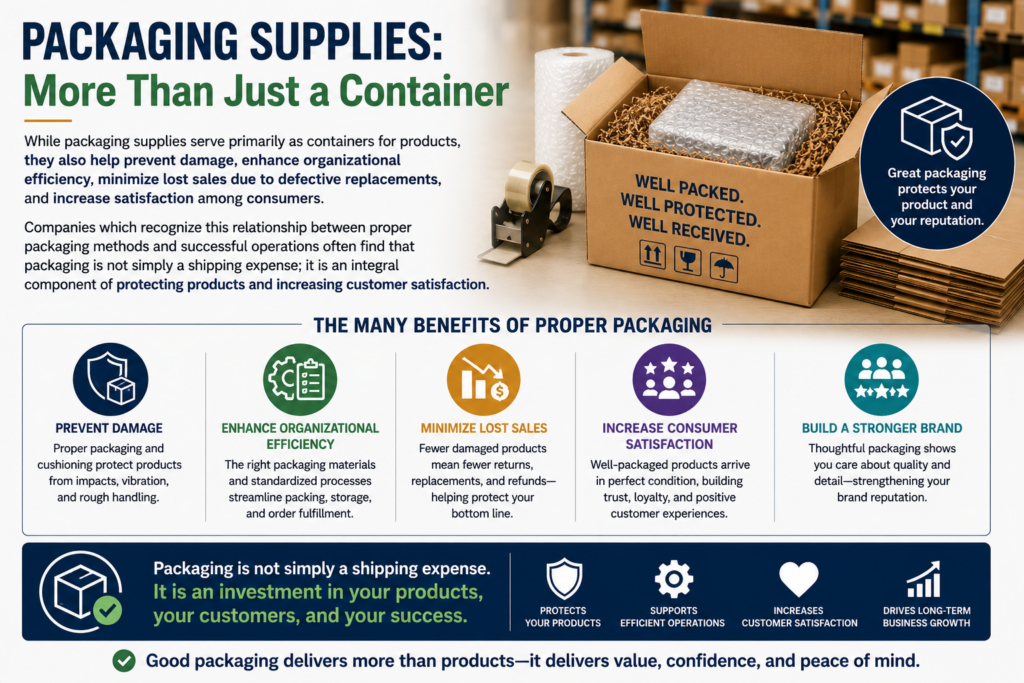
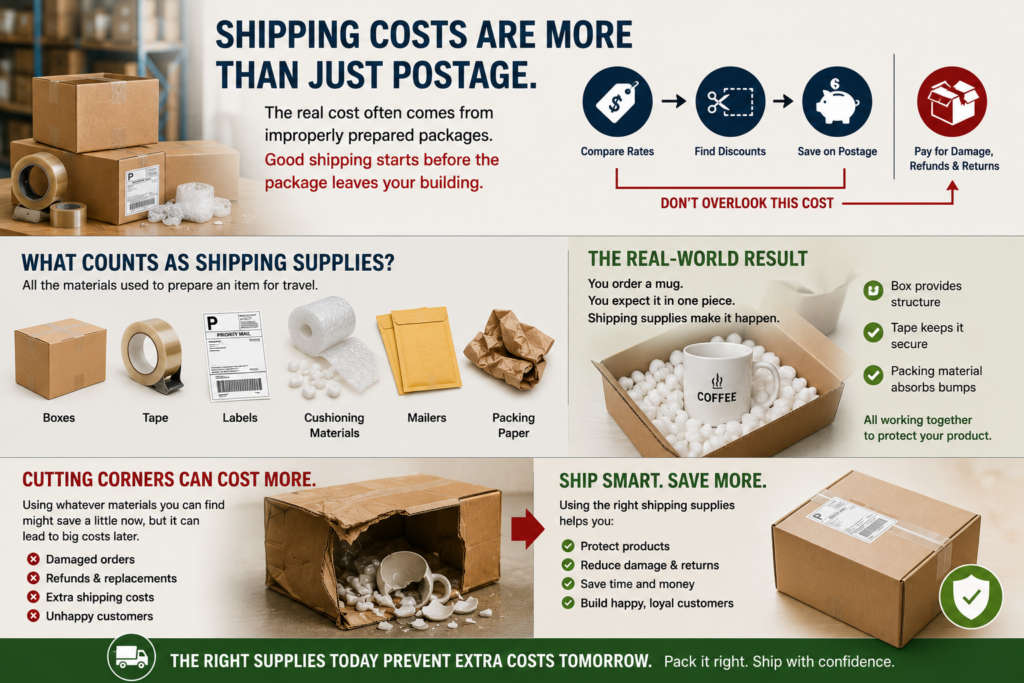
Many businesses work hard to create a great product. They design it carefully, test it, and make sure it works exactly as expected. Then the first orders begin to come in, and the focus shifts to getting those products safely to customers. This is where shipping supplies become one of the most important parts of the entire process.

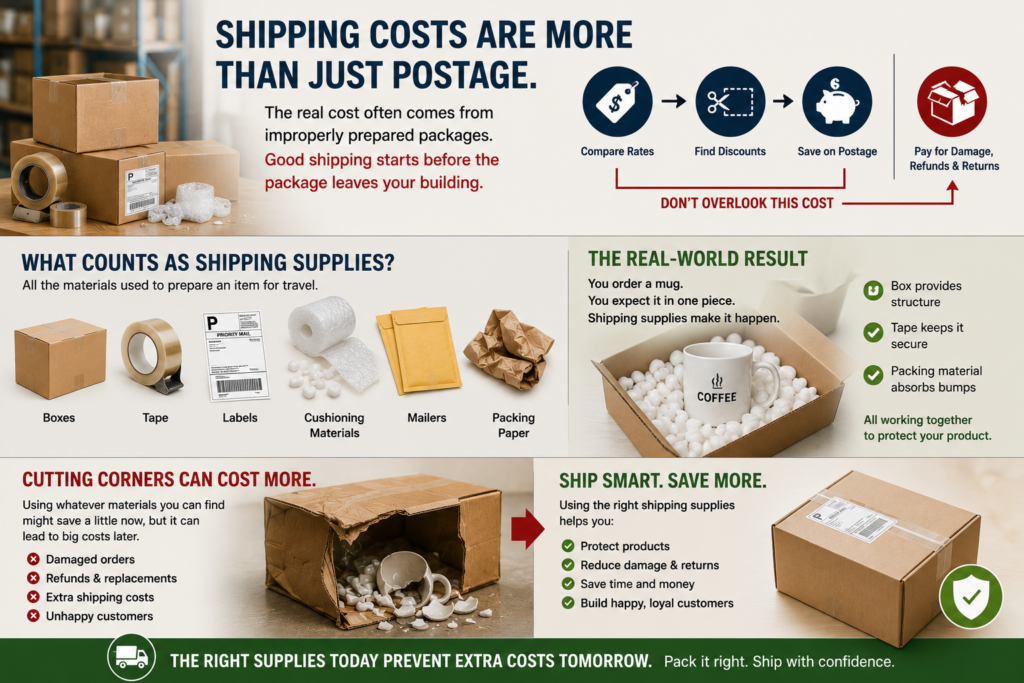
A common mistake many new businesses make is believing that shipping only requires a box and a label. While those items are necessary, they are only part of the system that protects products during transit. Shipping supplies include a range of materials that work together to keep items safe while they travel through trucks, sorting centers, and delivery routes.

One question people often ask is why shipping supplies matter so much. The answer becomes clear when thinking about the journey each package takes. A box may travel hundreds of miles and be handled several times before reaching its destination. During that trip, the package may be stacked with others, shifted during transport, or exposed to bumps and sudden movement. Without the right supplies, the product inside can easily become damaged.

Good shipping supplies help create layers of protection around the item being shipped. Protective cushioning can absorb shocks when packages move or drop slightly during handling. Wrapping materials can prevent surfaces from scratching or rubbing against each other. Strong packing tape helps keep the box sealed tightly so the contents remain secure throughout the journey.

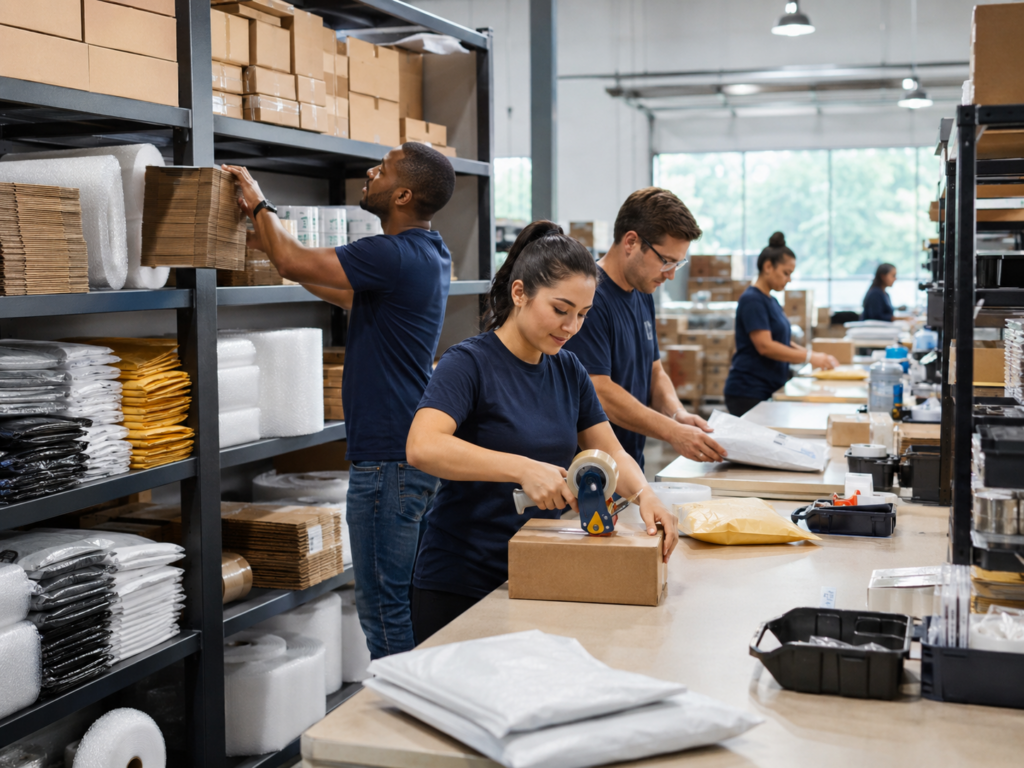
Another question businesses ask is how shipping supplies can make packing faster. When a packing station is organized with the right materials nearby, the process becomes smoother and more efficient. Workers do not have to search for tape or padding. Instead, each item can be wrapped, boxed, and sealed quickly while still receiving proper protection.

Shipping supplies also help improve the experience for customers receiving the package. Opening a well-packed order feels reassuring. The item is protected, the packaging looks tidy, and the materials inside show that care was taken when preparing the shipment. Even though customers may not think directly about the shipping supplies used, they notice the results.

Many businesses also consider sustainability when choosing shipping supplies. Recyclable materials and responsibly sourced packaging can help reduce waste. Customers often appreciate when companies make thoughtful decisions about packaging that protect both the product and the environment.

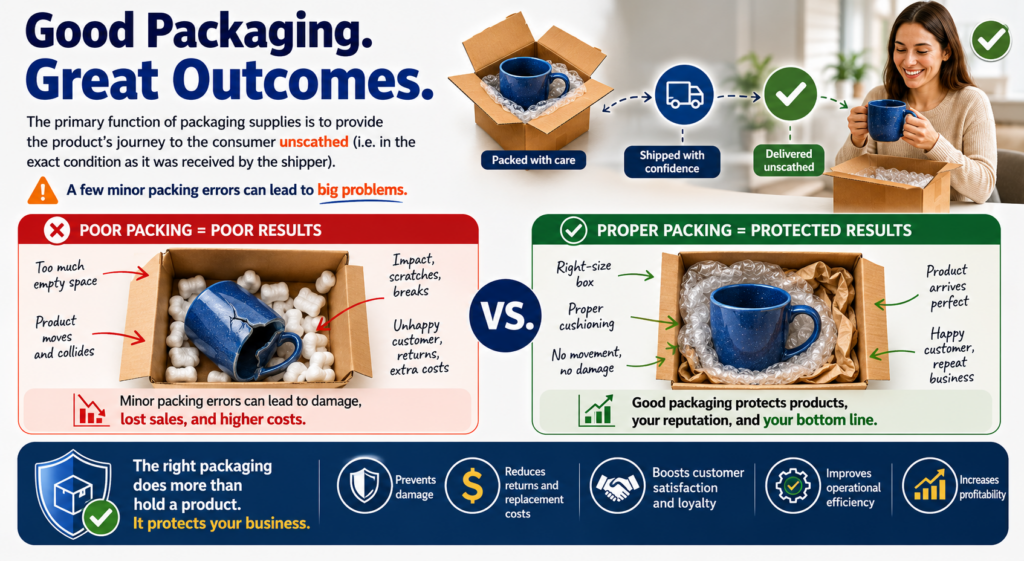
Another benefit of using reliable shipping supplies is reducing product returns. When items arrive damaged, businesses often have to replace them or issue refunds. This can become costly and time-consuming. Proper supplies help prevent these situations by protecting items during the shipping process.

Shipping supplies may not be the most exciting part of running a business, but they play a critical role in every order that leaves the building. They quietly protect the product, help packing run smoothly, and support the reputation of the company sending the shipment.

Understanding how to use shipping supplies properly allows businesses to ship with confidence. Each order becomes a well-prepared package ready for its journey. When the customer finally opens the box and finds the product in perfect condition, the effort placed into choosing the right shipping supplies proves its value.

Posted in Packaging and Shipping Supplies | Comments Off on The Shipping Mistake Everyone Makes

The Box That Solves Moves

Almost everyone has faced the same problem at some point. You need to move items from one place to another, but you are not sure how to keep everything safe. Maybe you are packing dishes before a move. Maybe you are sending books to a friend. Maybe you are organizing toys in a room that has become messy. This is where cardboard boxes become one of the most useful tools people have.

Cardboard boxes may look simple, but they solve many everyday problems. Their strong structure helps protect items from bumps, drops, and pressure. When something sits inside a cardboard box, it has a layer of protection around it. This makes a big difference during travel or storage.

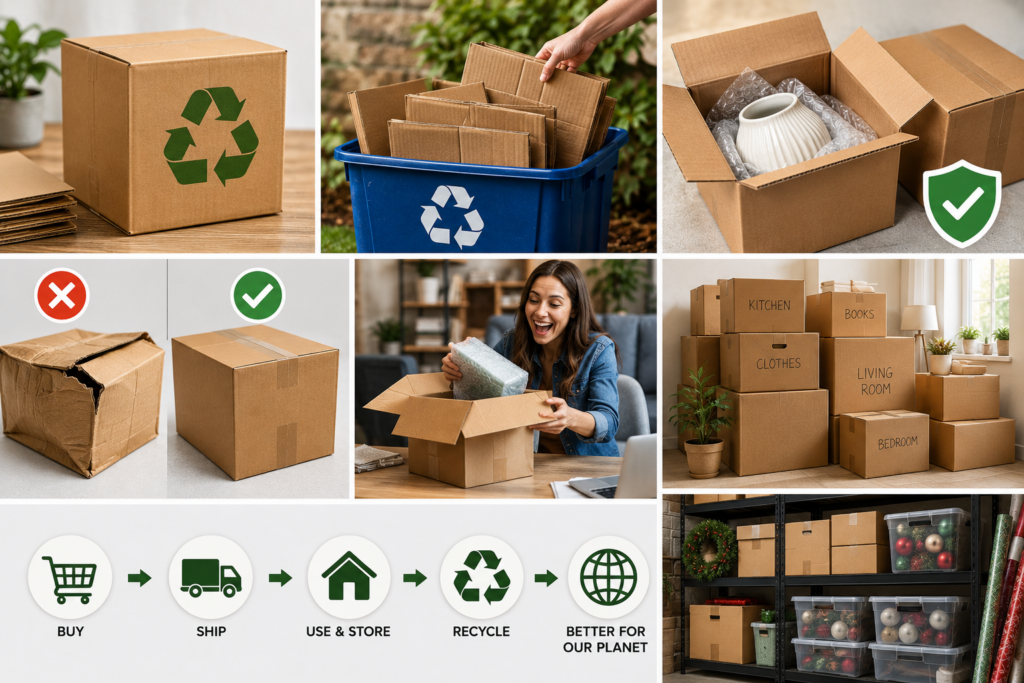
Think about moving day. A family walks through their house trying to pack up their belongings. Without boxes, items would sit loose in piles. Plates could break, books would scatter, and small items could easily get lost. When cardboard boxes are used, each group of belongings has a place to go. Kitchen items go into one box. Clothes go into another. Toys fill a third box. Suddenly the process feels organized instead of chaotic.

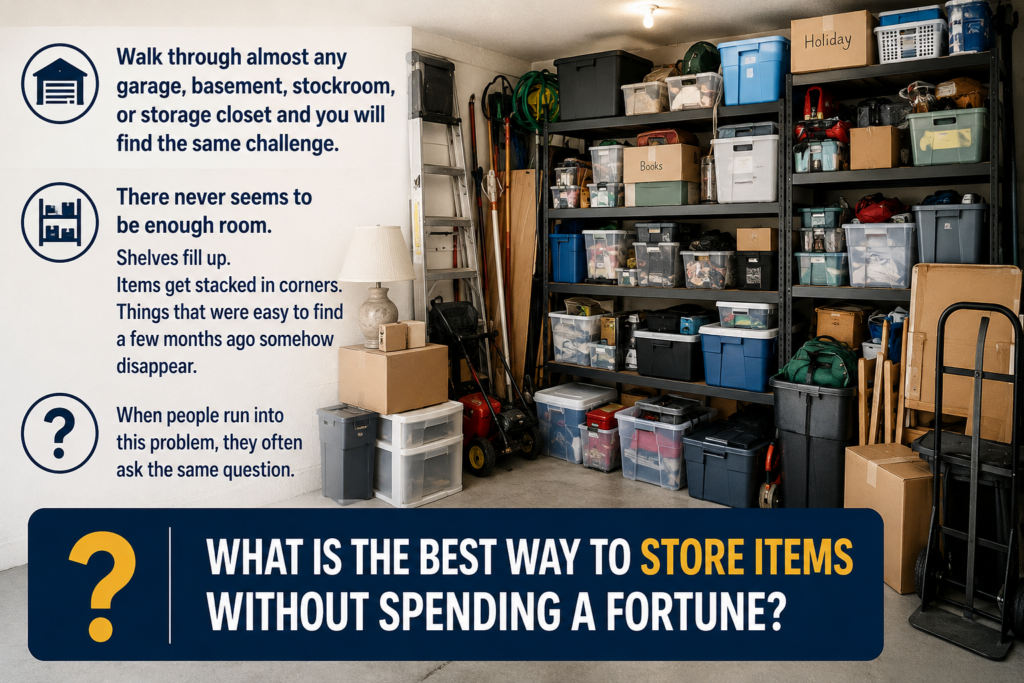
Another reason cardboard boxes are helpful is their shape. The square design allows them to stack neatly. Imagine a room where boxes are placed one on top of another in tidy rows. Instead of a messy pile, you see a stable tower that uses space wisely. This is especially useful in garages, closets, and storage rooms where space can quickly disappear.

Cardboard boxes are also useful when shipping items across long distances. Packages may travel through trucks, warehouses, and delivery vans before reaching their destination. During that journey, items can shift or bump against other packages. A sturdy cardboard box helps protect what is inside from those small impacts along the way.

For small businesses, cardboard boxes play an important role in daily work. A shop owner may carefully place products inside a box before sending them to a customer. When the box arrives at the customer’s door, it protects the item during travel. Opening the box becomes the first step in the customer’s experience with that product.

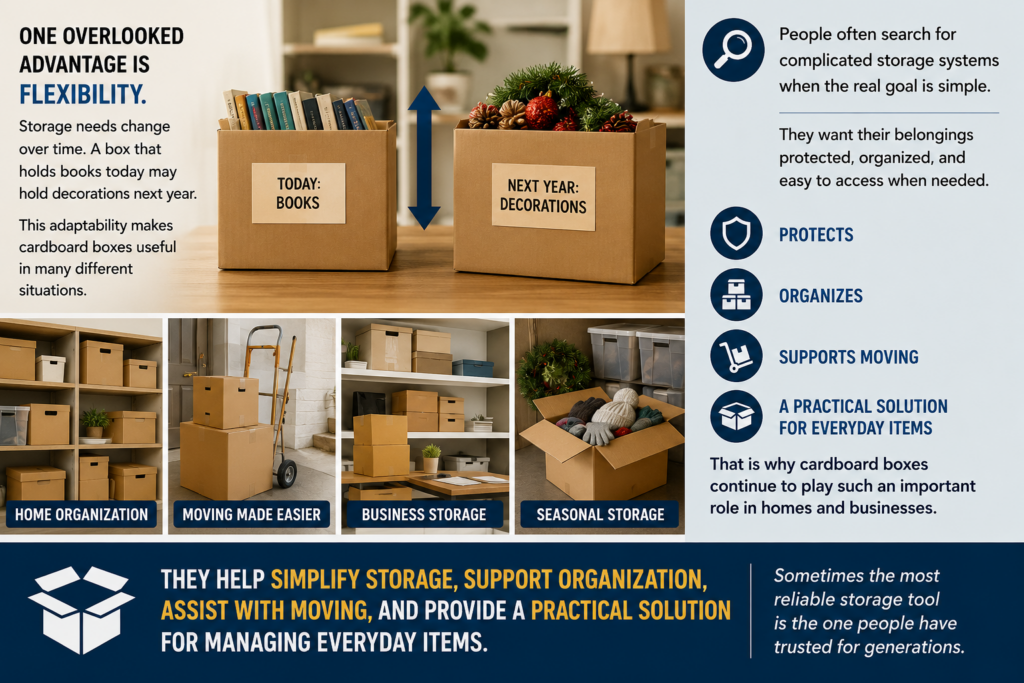
Cardboard boxes can also help people stay organized at home. Many families use them to store seasonal items like holiday decorations, winter clothes, or school supplies. When the lid closes and the box slides onto a shelf, everything inside stays together until it is needed again.

Another benefit is how easy cardboard boxes are to label. Someone can write “Books,” “Kitchen,” or “Toys” on the outside. Later, when searching for something, they do not need to open every container. The label guides them straight to the right box.

Many people also appreciate that cardboard boxes are widely recyclable. After serving their purpose, they can often be broken down and recycled into new paper products. This helps reduce waste and allows the material to be used again in the future.

When you think about it, cardboard boxes quietly support many parts of daily life. They help families move homes, businesses ship products, and individuals organize their belongings. A strong box may not seem exciting at first glance, but it plays an important role in keeping everyday items safe and easy to manage.

From packing books to storing decorations, cardboard boxes offer a simple solution to a common problem. When something needs protection, order, and a safe place to rest, a cardboard box often becomes the answer.

Posted in Packaging Tricks | Comments Off on The Box That Solves Moves

Why Your Bags Keep Tearing

Ever ship something small and light, only to have it arrive ripped open? It is frustrating. You packed it neatly. You sealed it tight. Yet the customer sends a photo showing a split seam and a dusty product. Most people blame the shipping company first. But many times, the real issue starts with the poly bag itself.

The first thing to understand is thickness. Poly bags are measured in mil. A 1 mil bag feels thin and soft, almost like kitchen wrap. A 2 mil bag feels firmer in your hand. A 3 mil bag gives real resistance when you press it between your fingers. If you are packing flat paper items or soft clothing, a thinner option may work. But if your product has corners, weight, or small sharp edges, thin plastic stretches and weakens under pressure. Over time, that stress turns into a tear.

It also helps to think about what happens during shipping. Your package is not sitting still. It slides down conveyor belts. It gets stacked under heavier boxes. It may ride in the back of a truck for two days in heat or cold. Inside that moving system, your product shifts. When it shifts, it rubs against the inside seam of the bag. That rubbing creates friction. Friction weakens plastic. A stronger mil rating gives you more protection against that slow damage.

Now picture the opposite outcome. A customer opens their mailbox. Inside is your product sealed in a clean, smooth bag. No holes. No wrinkles. No cloudy stress marks. The item looks untouched and fresh. That small detail builds confidence. It tells them you care about what they receive.

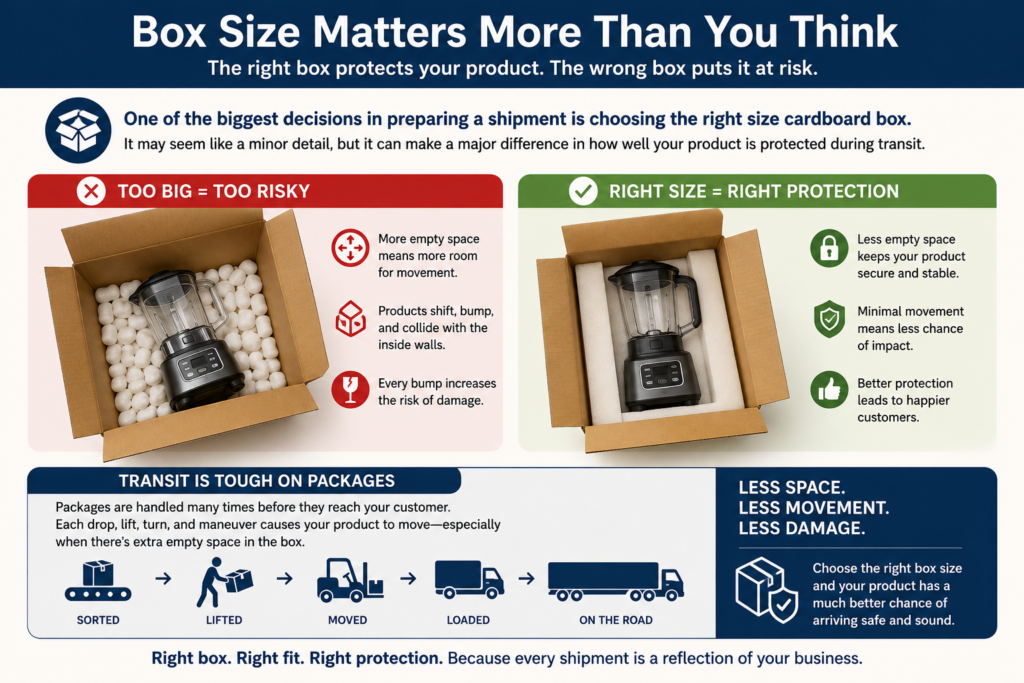
Size also matters more than people think. When a bag is too large, the product slides around inside. Extra space creates movement, and movement creates wear. Choosing a size that fits close to your item reduces shifting. The bag should close easily without stretching tight across the opening. A snug but relaxed fit protects better than an oversized one.

Sealing method plays a role as well. Resealable tops are helpful for products customers may open and close again. For single-use packaging, a strong adhesive strip or heat seal provides more security. A weak seal can open slightly during transit, even if the plastic itself stays intact.

Storage conditions matter too. Poly bags stored in dusty or damp areas can lose clarity or strength over time. Keeping them clean and dry helps them perform as expected when you finally use them.

When choosing poly bags, ask simple questions. How heavy is the product? Does it have sharp points? Will it move during shipping? Will customers reuse the packaging? These answers guide you toward the right thickness and style.

Small upgrades in packaging can prevent large headaches later. Fewer damaged shipments mean fewer refunds and fewer complaints. More importantly, customers receive products that look cared for. That builds repeat business.

Poly bags seem simple. But when chosen correctly, they quietly protect your reputation every time a package reaches someone’s door.

Posted in Bags | Comments Off on Why Your Bags Keep Tearing

Shipping Problems Start Before Shipping

When orders arrive late, damaged, or incomplete, most people blame shipping. But in many cases, the real issue starts earlier, with shipping supplies.

Shipping supplies are the tools that prepare an order for the journey ahead. If those tools fail, the shipment is already at risk before it ever leaves the building.

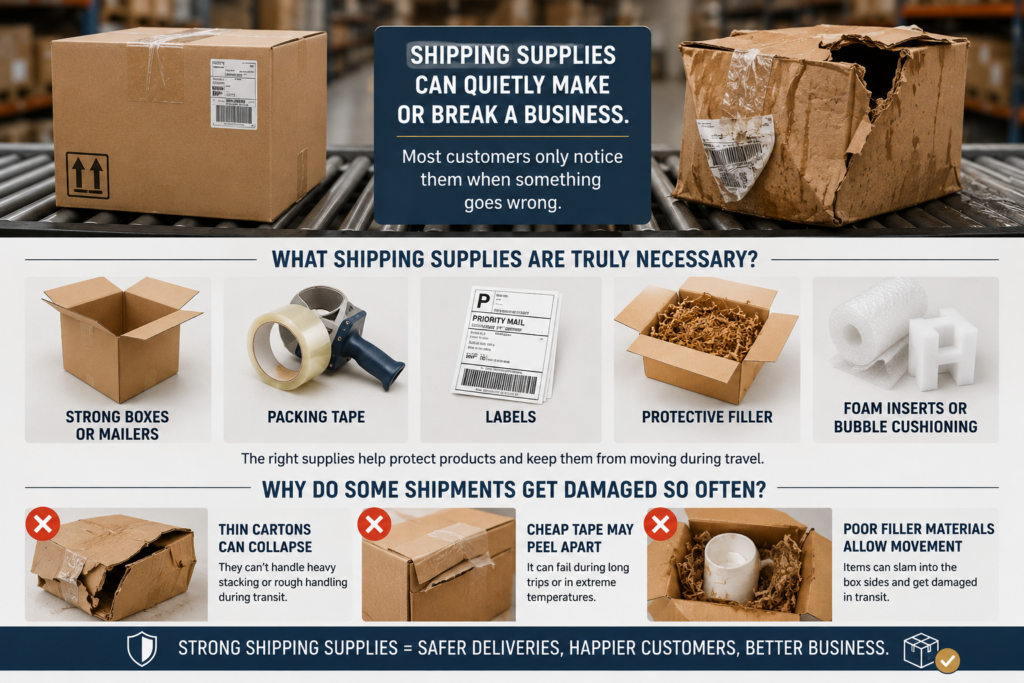
Boxes that are too thin collapse under pressure. Tape that doesn’t stick opens during transit. Labels that peel off cause delays or lost packages. Each problem compounds as the shipment moves through the system.

Shipping carriers handle thousands of packages every day. Items get stacked, sorted, dropped, and pushed along conveyors. Shipping supplies must be built to survive that environment. If they aren’t, failure is only a matter of time.

Many businesses focus on shipping speed and forget shipping strength. They choose supplies based on price instead of performance. That decision often leads to higher costs later.

Poor shipping supplies slow down fulfillment. Staff have to double tape boxes. Extra fill gets added to compensate for weak materials. Labels get reapplied. Every workaround adds time and increases the chance of error.

Reliable shipping supplies streamline the process. Boxes fold quickly and hold their shape. Tape seals cleanly the first time. Labels stay flat and readable. When materials work as expected, packing becomes consistent and efficient.

Consistency matters more than most people realize. When shipping supplies change from order to order, results change too. Some shipments arrive fine. Others don’t. Customers experience that inconsistency as unreliability.

Good shipping supplies reduce uncertainty. They protect products from movement, moisture, and impact. They keep packages closed and labels visible. They help ensure orders arrive the way they were sent.

Shipping damage often leads to returns. Returns cost money in shipping, labor, and inventory. Many of those returns could have been avoided with better supplies.

There’s also the issue of customer trust. When an order arrives damaged or delayed, customers question the seller’s competence. Even if the issue wasn’t intentional, perception matters.

Strong shipping supplies send a message of professionalism. They show preparation. They show attention to detail. They show that the business took the shipment seriously.

As order volume grows, weaknesses in shipping supplies become more obvious. What worked for a few shipments may fail under pressure. High volume exposes weak materials quickly.

Investing in dependable shipping supplies early makes growth easier. Processes stay smooth. Mistakes stay low. Customers stay satisfied.

Shipping problems are rarely random. They usually trace back to decisions made during packing. When shipping supplies are chosen carefully, many common issues disappear before they ever begin.

That’s why shipping success starts long before a package is picked up. It starts with the supplies that prepare it for the journey.

Posted in Packaging and Shipping Supplies | Comments Off on Shipping Problems Start Before Shipping

Small Bags Big Mistakes

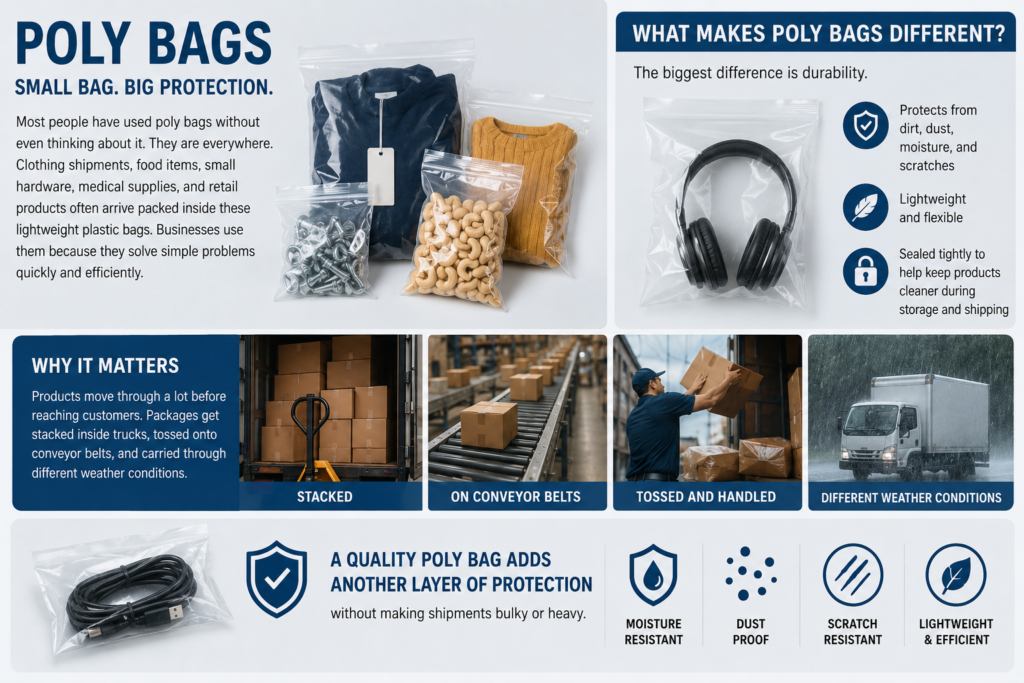
Poly bags look simple, which is why they are easy to misuse. Many problems start when people assume a bag is just a bag. Items end up wrinkled, bent, or exposed, not because poly bags fail, but because the wrong type is chosen or used the wrong way. Understanding how poly bags actually work helps avoid small mistakes that cause big frustration.

One of the most common questions is how to choose the right poly bag thickness. Thinner bags are flexible and light, but they are not meant for sharp edges or heavy items. Thicker bags offer more protection, but using them when they are not needed adds cost and stiffness. The key is matching the bag to the item’s behavior. Soft items like clothing need flexibility. Items with corners or weight need resistance. When thickness matches the job, the bag performs quietly and well.

Another frequent question is why items shift or bunch inside poly bags. This often comes down to sizing. A bag that is too large allows items to slide and fold. A bag that is too small stretches and stresses seams. The best fit feels relaxed but controlled. The item should lie flat without tension. When the fit is right, the bag protects shape instead of changing it.

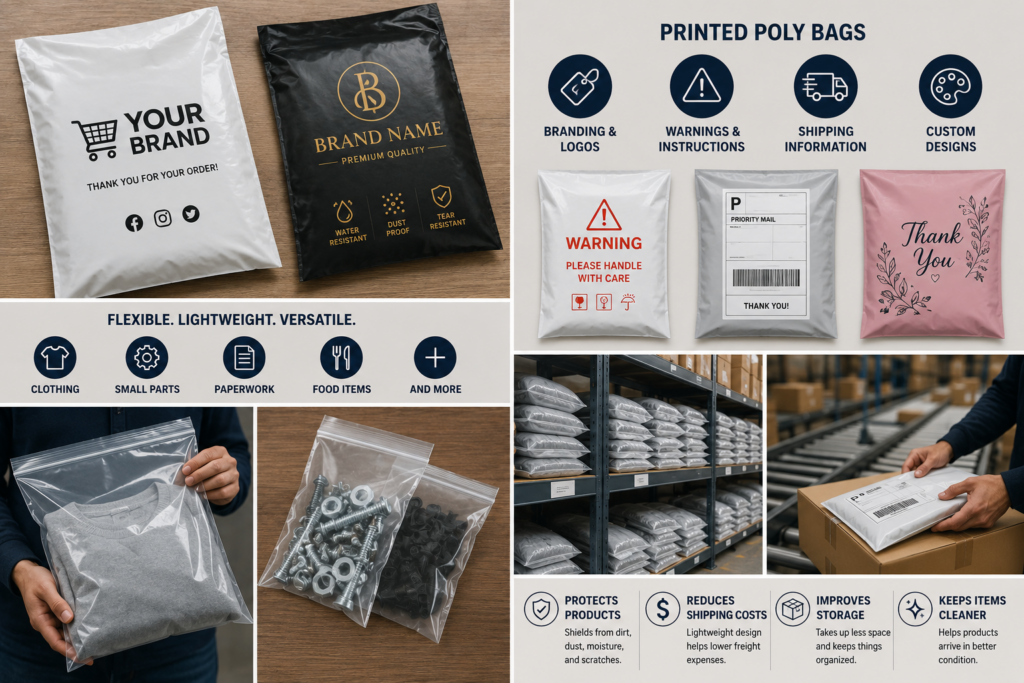
People also ask how poly bags affect presentation. Clear bags show everything, which can be a benefit or a problem. If items are clean, folded well, and sized correctly, clarity builds confidence. If items are messy or poorly aligned, clarity magnifies flaws. Poly bags work best when they support order. Taking a moment to align an item before sealing makes a visible difference once the bag is closed.

Another concern is sealing. Open bags leave items exposed to dust, moisture, and handling. Sealed bags create a barrier, but sealing should not feel forced. When a bag is overfilled, seals strain and fail. A proper seal lies flat and smooth. That smooth seal signals protection and care. It also reduces the chance of accidental opening during handling.

People often wonder how poly bags perform during shipping. Poly bags are light and flexible, which helps reduce bulk. However, flexibility means they rely on proper support. When used alone, they work best for soft, non-fragile items. When combined with boxes, they add an extra layer of protection against moisture and scuffing. Using poly bags as part of a system, rather than a single solution, leads to better results.

There is also growing attention on responsible use. Poly bags should be used with intention. Choosing the right size reduces excess material. Clear labeling helps reuse when possible. While poly bags are not always recyclable in standard curbside programs, using only what is needed reduces waste. Thoughtful selection supports both efficiency and awareness without changing the packing process.

Another common question is how poly bags affect organization. Bags keep items grouped, clean, and easy to identify. When items are sorted into bags, counting and handling become simpler. That clarity saves time and reduces errors. A bag that fits well turns loose items into manageable units.

Using poly bags well is about precision, not complexity. Match the thickness to the item. Match the size to the shape. Seal without strain. Support the bag when shipping. When those steps are followed, poly bags do their job quietly. Problems usually appear when assumptions replace intention. Small bags can create big mistakes, but they can also prevent them when chosen with care.

Posted in Bags | Tagged , , , , , , , , , , | Comments Off on Small Bags Big Mistakes

Ship Without Surprises

Shipping sounds simple until the unexpected happens. A package shows up late. A corner is crushed. A label smears and becomes unreadable. These surprises frustrate customers and create extra work behind the scenes. Most of them can be traced back to shipping supplies that were not chosen with real-world conditions in mind.

Once a package leaves your hands, it faces a rough trip. It gets stacked, slid, tilted, and exposed to weather changes. Shipping supplies are the only defense during that journey. When they are right, the shipment arrives quietly and on time. When they are wrong, problems announce themselves loudly.

The first step is thinking about the path the package will take. Long trips mean more handling. Multiple stops mean more chances for impact. Supplies that hold up under pressure help prevent damage before it starts. Strong cartons resist bending. Protective materials absorb shocks instead of passing them on to the product.

Labels and documents also matter more than people expect. A clear label that stays attached keeps packages moving. Supplies designed to protect paperwork from moisture and tearing prevent delays caused by unreadable information. When details stay visible, shipments keep flowing.

Another issue is weight. Heavy items put stress on every seam and edge. Using supplies that match the load prevents splits and blowouts. A package should feel solid when lifted, not strained. That solid feel reduces the risk of accidents during handling.

Temperature changes are another hidden challenge. Cold air can weaken adhesives. Heat can soften materials. Shipping supplies made to perform across conditions help keep packages sealed from pickup to delivery. Customers never see that struggle, but they enjoy the result.

Efficiency matters too. Supplies that are easy to use speed up the shipping process. Boxes that assemble quickly. Tape that cuts clean. Materials that stay where they are placed. These small details help shipments move out faster and reduce errors during busy times.

Reliable shipping supplies also reduce stress. When teams trust the materials, they pack with confidence. They do not overwrap or second-guess. That confidence keeps operations calm, even when volume spikes.

Customers notice consistency. When every order arrives intact and on time, trust grows. They stop worrying about what might go wrong and focus on the product itself. That reliability turns one-time buyers into repeat customers.

There is also a broader impact. Fewer damaged shipments mean fewer replacements and fewer wasted resources. Strong shipping supplies support efficiency and responsible use at the same time. Preventing problems is better than fixing them later.

Shipping without surprises is not luck. It is planning. The right shipping supplies prepare every package for the journey ahead, reducing risks that customers never have to think about. And when shipments arrive exactly as expected, everyone wins.

Posted in Packaging and Shipping Supplies | Comments Off on Ship Without Surprises

Bags That Solve Messes

Most problems with packaging don’t show up right away. They appear later, when something leaks, tears, or looks sloppy. You pack an item thinking it’s fine, then you notice dust inside, moisture on the surface, or parts rubbing together. By then, it’s too late. The frustration usually gets blamed on the product, but the real issue is how it was protected.

Poly bags exist because people need a simple way to keep things clean, dry, and together. Without them, small items scatter. Surfaces pick up dirt. Pieces that belong together drift apart. That creates extra work and unnecessary waste. People end up re-cleaning, re-sorting, or throwing things away that should have been usable.

The struggle most people face is control. Small parts are hard to manage. Clothing picks up lint. Paper products absorb moisture. Hardware gets lost. Poly bags quietly solve all of those problems by creating a clear boundary between the item and the outside world. Once something is sealed inside, it stays the way it was meant to be.

There’s a strong visual benefit too. When items are placed inside poly bags, they look organized instead of scattered. You can see what’s inside without opening anything. That saves time and reduces mistakes. Instead of guessing or opening multiple containers, you spot what you need right away. That clarity makes everyday tasks feel lighter.

Poly bags are especially helpful when things need to stay clean but accessible. Think about folded shirts, printed materials, or small components. Without protection, they collect dust just sitting on a shelf. With a bag, they stay fresh and ready to use. When someone pulls the item out, it looks untouched. That first impression matters.

Another issue poly bags solve is mixing. When items touch each other freely, problems happen. Colors transfer. Surfaces scratch. Parts get tangled. A bag keeps everything separated without adding bulk. That separation protects quality without making storage harder.

Moisture is another silent problem. Even in dry spaces, humidity can creep in. Paper curls. Metal starts to dull. Fabrics feel off. Poly bags act as a barrier that slows that process down. You don’t see the benefit right away, but over time it shows. Items last longer and stay closer to their original condition.

Poly bags also reduce cleanup. When items are loose, debris spreads. A bag contains everything in one place. When it’s time to use or move the item, there’s no trail left behind. That containment saves time and keeps spaces looking better with less effort.

There’s also a comfort factor people don’t always recognize. When something is sealed in a bag, it feels protected. That feeling builds trust. Whether it’s a product being shipped or something stored at home, people feel more confident handling it. They don’t worry about brushing against it or setting it down briefly. The bag has already done the protecting.

Using poly bags also supports better habits. Items get put away properly instead of left out. Groups of things stay together. Storage becomes easier to manage because everything has a clear boundary. That order reduces stress, especially in busy environments where small details get overlooked.

Poly bags aren’t meant to be exciting. They’re meant to be reliable. When they work, they fade into the background and let everything else stay clean, sorted, and ready. That quiet support is what makes them valuable. They don’t change the item inside. They simply make sure it stays the way it should.

Posted in Bags | Comments Off on Bags That Solve Messes