
Poly bags look simple, which is why they are easy to misuse. Many problems start when people assume a bag is just a bag. Items end up wrinkled, bent, or exposed, not because poly bags fail, but because the wrong type is chosen or used the wrong way. Understanding how poly bags actually work helps avoid small mistakes that cause big frustration.
One of the most common questions is how to choose the right poly bag thickness. Thinner bags are flexible and light, but they are not meant for sharp edges or heavy items. Thicker bags offer more protection, but using them when they are not needed adds cost and stiffness. The key is matching the bag to the item’s behavior. Soft items like clothing need flexibility. Items with corners or weight need resistance. When thickness matches the job, the bag performs quietly and well.
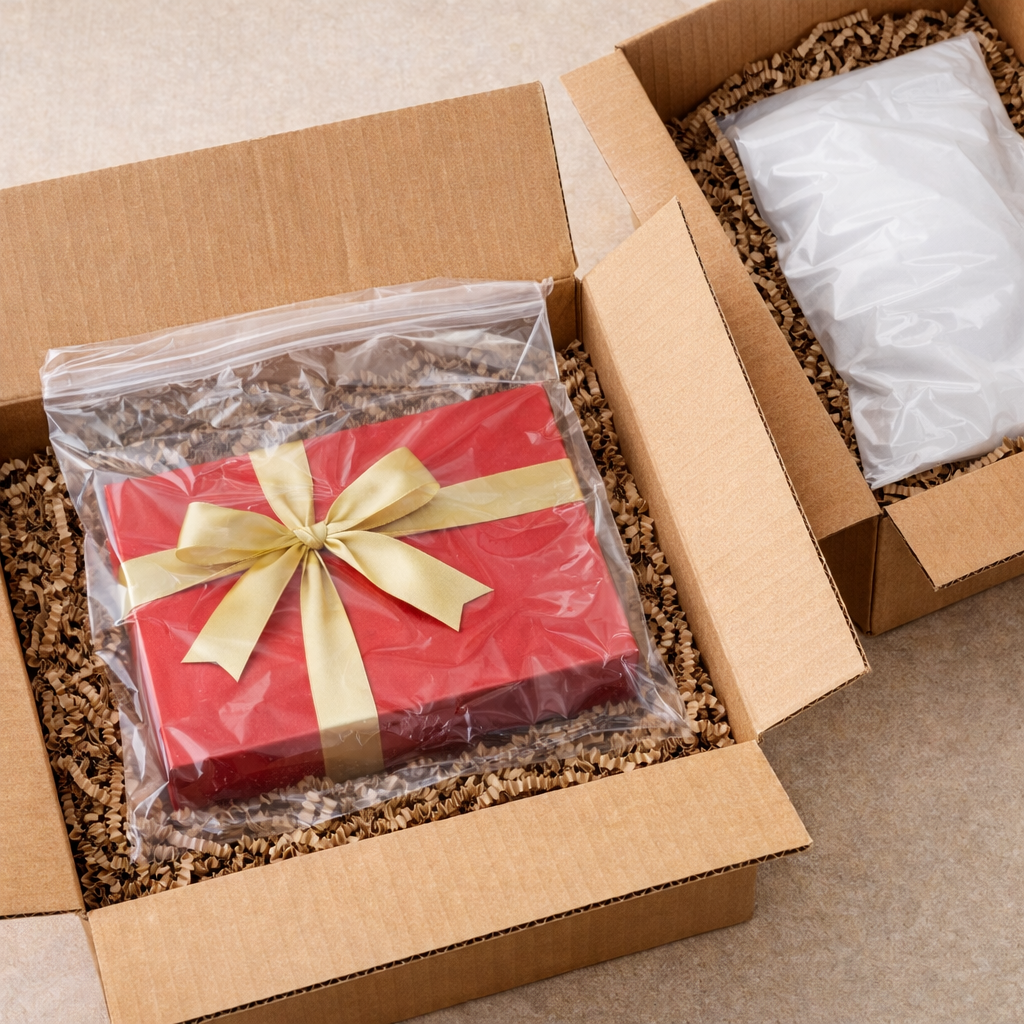
Another frequent question is why items shift or bunch inside poly bags. This often comes down to sizing. A bag that is too large allows items to slide and fold. A bag that is too small stretches and stresses seams. The best fit feels relaxed but controlled. The item should lie flat without tension. When the fit is right, the bag protects shape instead of changing it.
People also ask how poly bags affect presentation. Clear bags show everything, which can be a benefit or a problem. If items are clean, folded well, and sized correctly, clarity builds confidence. If items are messy or poorly aligned, clarity magnifies flaws. Poly bags work best when they support order. Taking a moment to align an item before sealing makes a visible difference once the bag is closed.
Another concern is sealing. Open bags leave items exposed to dust, moisture, and handling. Sealed bags create a barrier, but sealing should not feel forced. When a bag is overfilled, seals strain and fail. A proper seal lies flat and smooth. That smooth seal signals protection and care. It also reduces the chance of accidental opening during handling.
People often wonder how poly bags perform during shipping. Poly bags are light and flexible, which helps reduce bulk. However, flexibility means they rely on proper support. When used alone, they work best for soft, non-fragile items. When combined with boxes, they add an extra layer of protection against moisture and scuffing. Using poly bags as part of a system, rather than a single solution, leads to better results.

There is also growing attention on responsible use. Poly bags should be used with intention. Choosing the right size reduces excess material. Clear labeling helps reuse when possible. While poly bags are not always recyclable in standard curbside programs, using only what is needed reduces waste. Thoughtful selection supports both efficiency and awareness without changing the packing process.
Another common question is how poly bags affect organization. Bags keep items grouped, clean, and easy to identify. When items are sorted into bags, counting and handling become simpler. That clarity saves time and reduces errors. A bag that fits well turns loose items into manageable units.
Using poly bags well is about precision, not complexity. Match the thickness to the item. Match the size to the shape. Seal without strain. Support the bag when shipping. When those steps are followed, poly bags do their job quietly. Problems usually appear when assumptions replace intention. Small bags can create big mistakes, but they can also prevent them when chosen with care.
